

FAQ
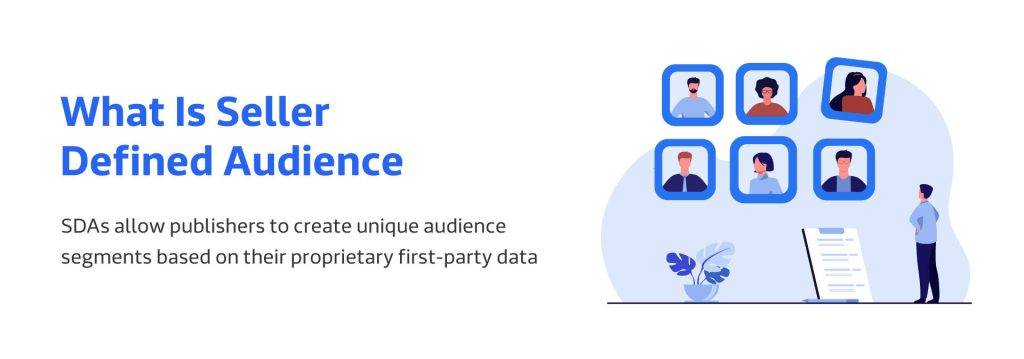
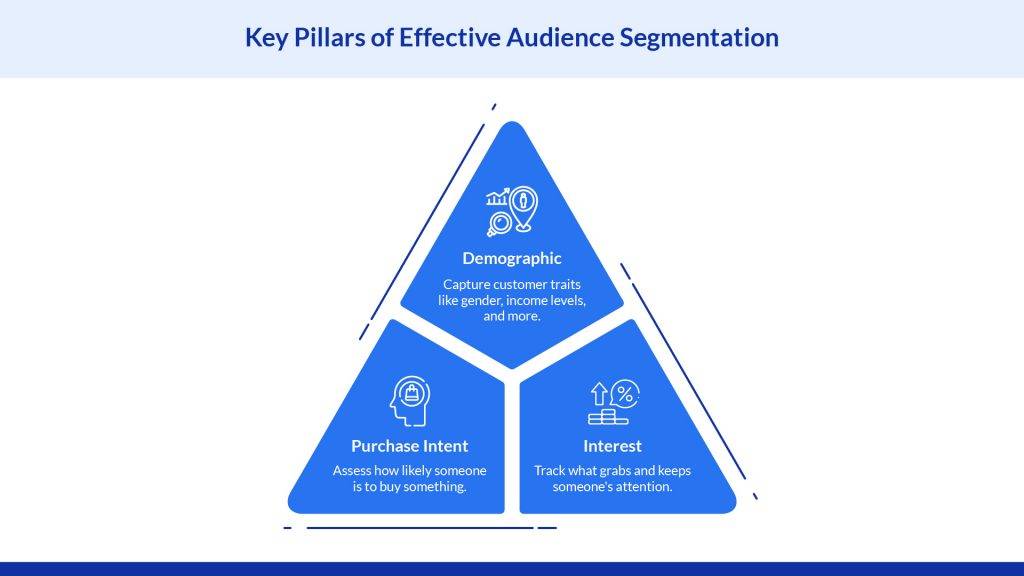
A defined audience, in the context of a seller-defined audience, is a cohort or segment of users grouped together by a publisher or retailer based on their collective characteristics, behaviors, interests, or purchase intent, all of which are derived from the seller's proprietary first-party data. This segment adheres to a standardized Audience Taxonomy (like the IAB's), which ensures that the segment label is universally recognizable and tradable by buyers (DSPs) across multiple platforms.
SDA fits into the future of ad-tech and retail media as a crucial, non-ID dependent foundation for audience activation. For ad-tech, it is a key component alongside contextual targeting and Google's Privacy Sandbox, forming a core pillar of the cookieless targeting framework. For retail media, SDA is particularly important as it allows retailers to extend their valuable first-party purchase intent audiences off-site to the broader programmatic ecosystem in a standardized, high-volume manner.
SDA (Seller-Defined Audiences) does not inherently support cross-device or cross-platform targeting because it is designed to be privacy-preserving and avoids sharing user identifiers. However, the SDA segment labels themselves are platform-agnostic and can be passed in bid requests across browser, in-app, and CTV environments. A retailer or publisher can apply the same SDA segment label to a user across their devices if they have internally connected those devices via a first-party identifier (like a hashed email), but the SDA specification itself does not share that underlying identifier with the demand side.
SDA was created to solve the critical problem of audience addressability at scale in a privacy-first, cookieless ecosystem. With the deprecation of third-party cookies and increased privacy regulations, publishers and retailers risked losing their ability to monetize their high-value audience data programmatically. SDA solves this by providing a standardized, privacy-preserving alternative that allows sellers to monetize audience insights without sharing sensitive user-level data.
SDA is fundamentally different from traditional third-party cookie targeting or universal IDs because it is a cohort-based, server-side targeting method that avoids user identification. Third-party cookies and universal IDs are client-side identifiers that track an individual user across multiple websites. SDA, conversely, keeps the user's identity private and uses only the audience segment label in the bidstream, restricting the ability of ad tech platforms to track the individual user across different properties.
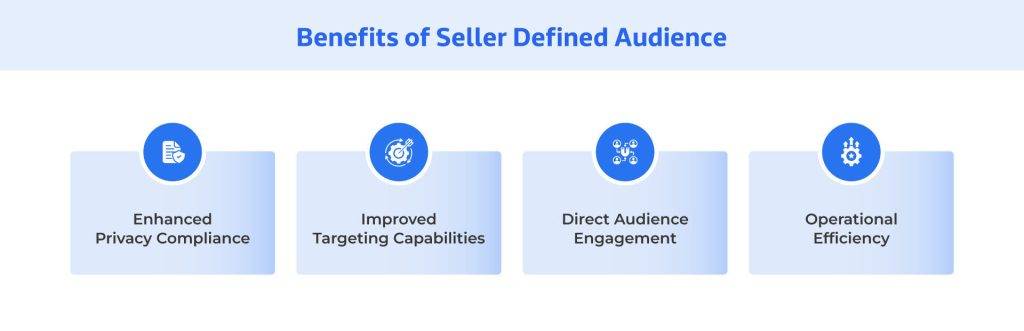
Advertisers benefit from using SDA-based segments because they access high-quality first-party targeting without relying on third-party cookies or sensitive personal-identifiers. This approach allows for consistent scale across different browsers and devices while ensuring strict privacy-compliance through standardized audience-taxonomies. By using these segments, advertisers can reach shoppers with verified intent, often facilitated by the infrastructure of FCC, which leads to improved efficiency and better ROI.
A retailer or publisher should consider its ability to accurately map first-party data to the IAB Audience-Taxonomy while maintaining a balance between segment granularity and user-anonymity. They must also evaluate their adtech-stack to ensure compatibility with the bidstream and protect against data-leakage to maintain the value of their proprietary-insights. Implementing solutions from specialized providers like FCC can help manage the technical-complexity of metadata-labeling and ensure transparency for buying-partners.
More Blogs
See how retailers and brands are winning with FCC

Everything About Price Skimming Strategy Explained
Read More
What is a High-Low Pricing Strategy?
Read More
Ultimate Guide To Dynamic Pricing Strategy In 2026
Read More
Retail Pricing Strategies: Winning with Promotion Pricing in Competitive Markets
Read More
Ad Tags: Enhancing Ad Serving Efficiency in Large-Scale Campaigns
Read More