Dynamic pricing explained
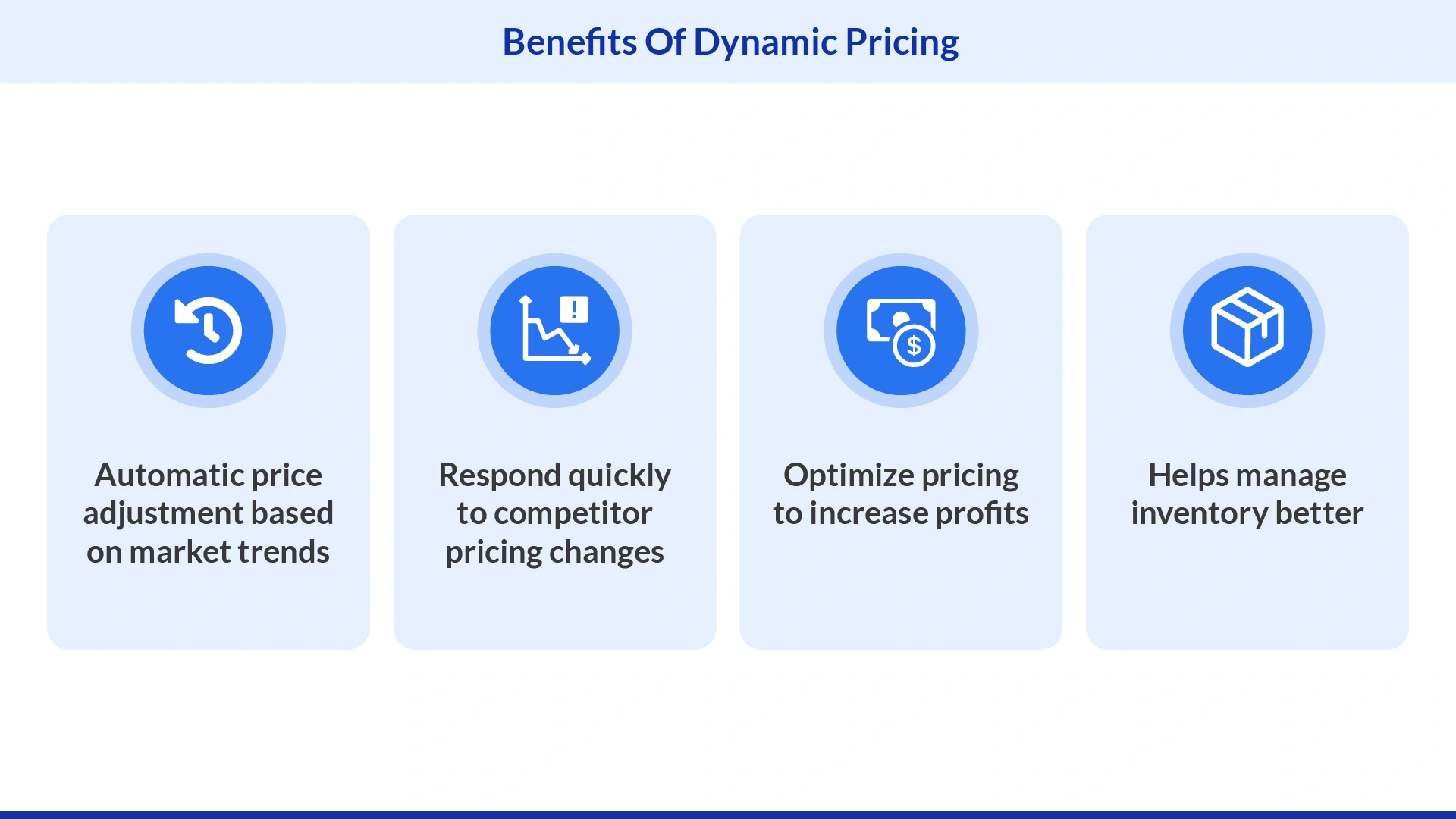
Dynamic pricing strategies have become critical in the modern competitive landscape, providing businesses with many advantages. These include enhanced operational efficiency, increased profitability, and a better understanding of markets.
What are the disadvantages of dynamic pricing?
1. Can be difficult to implement
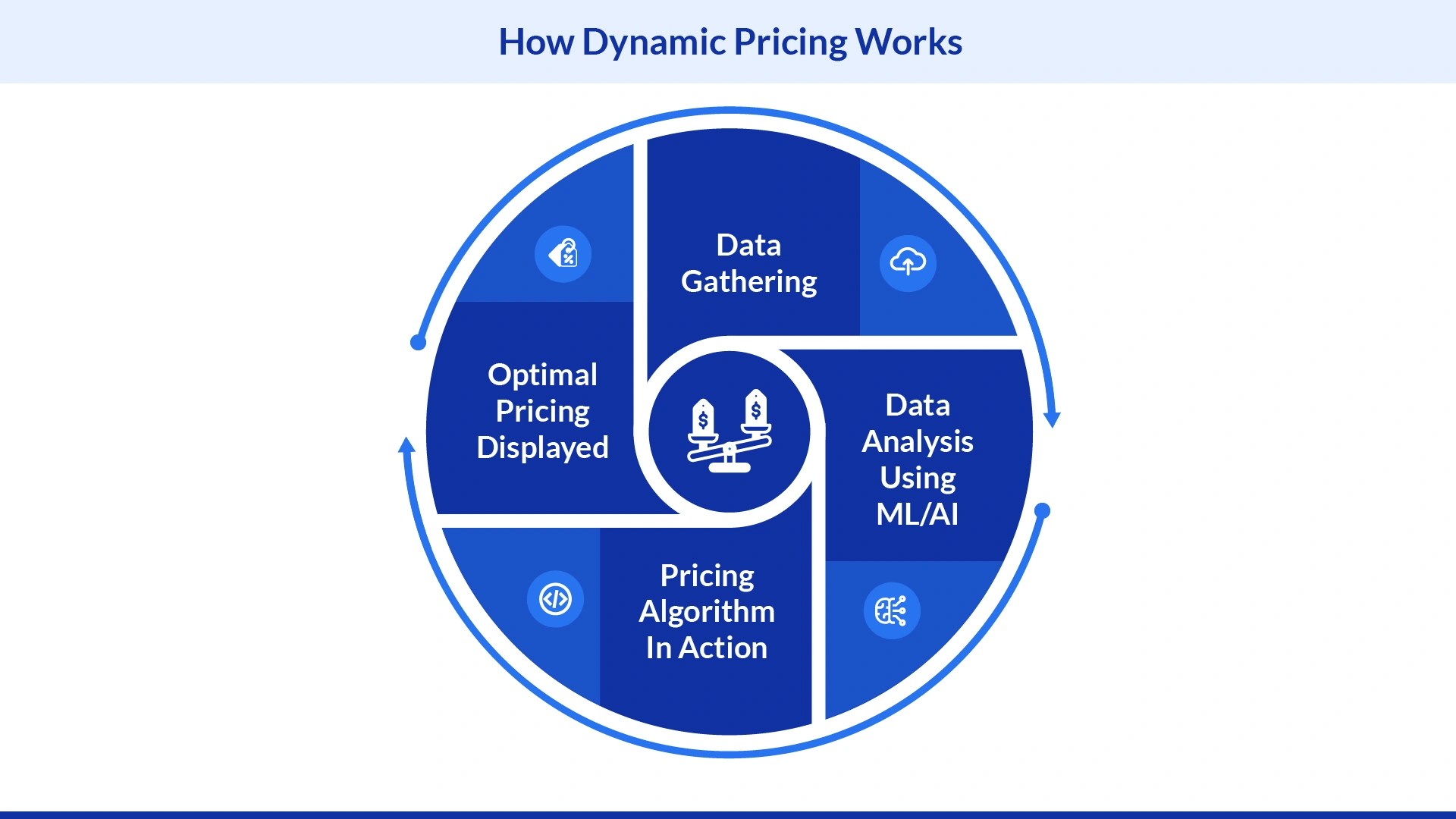
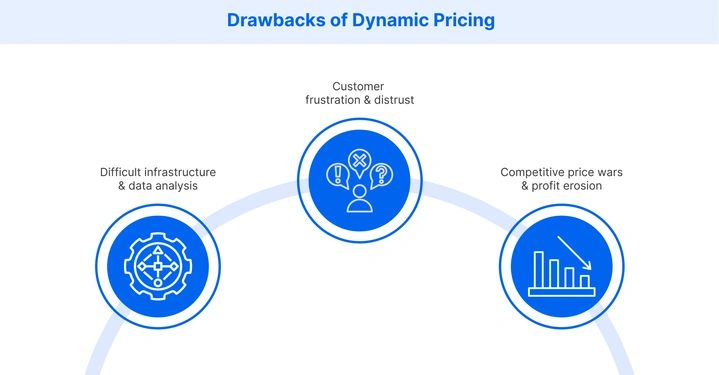
Dynamic pricing is a great way to optimize profit and enhance competitiveness, but it isn't easy. It requires sophisticated infrastructure, access to market trends, data analysis capabilities, and precise pricing algorithms. Without these, there is a chance of miscalculating key elements, which could negatively impact sales. Unfortunately, these resources may be out of reach for smaller businesses with limited resources. Fortunately, there are software solutions that can help bridge this gap so that dynamic pricing is accessible for all types of businesses.
With FCC's guidance, businesses have access to valuable historical data and current market trends and benefit from customized strategies that help them transition from manual to automated, data-driven pricing. This ensures that every quote is competitive in the market and optimized for maximum profit.
2. Could cause customer dissatisfaction
Dynamic pricing can be both a blessing and a curse for businesses. It allows customers to get the best deal possible at any given time. It can win over loyal customers, but if customers feel they are being overcharged, it could hurt a business's reputation. Customers may feel like they're at the mercy of an unpredictable system, which can lead to concerns of unfairness or exploitation. To combat this, businesses must be transparent about price changes and showcase the associated benefits, such as discounts during off-peak times.
Yet, transparency alone isn't the solution. Tools like the FCC's dynamic pricing come with a highly customizable rule engine that takes inputs in terms of targets and guardrails to tailor the best pricing strategy for your business. With this, businesses can manage multiple categories and thousands of SKUs while adhering to clear pricing rules around high-value items to maintain customer trust and loyalty.
3. Extreme price fluctuations
In highly competitive markets, dynamic pricing can be a double-edged sword, leading to price wars. Companies should closely watch the competition and set minimum prices to protect their profits. Lowering prices too much may lead to competitors drastically reducing theirs and further cutting any potential margin. Raising prices may also prove unwise if competitors choose to raise their own or lower them even more, negating the anticipated increased profit margin.
4. Dynamic Pricing Faces Increasing Regulatory and Ethical Scrutiny
This is the disadvantage most businesses underestimate. Regulators globally are scrutinising data-driven pricing practices more than ever. In the US, the FTC's updated rules on pricing transparency require businesses to disclose total prices clearly and prohibit deceptive fee structures. Several US states have introduced bills targeting algorithmic pricing. The EU's Consumer Rights Directive imposes strict requirements around personalised pricing transparency.
Dynamic pricing also raises ethical questions around data use, specifically whether pricing models inadvertently discriminate based on protected characteristics such as location used as a demographic proxy. Businesses operating across multiple geographies must review local consumer protection laws before deploying dynamic pricing at scale. FCC's centralised platform maintains a unified audit trail of all pricing decisions, supporting compliance, team accountability, and data governance across markets.
Lastly, before introducing dynamic pricing, it’s important that businesses conduct thorough research to understand the market's attractiveness towards such a model. Dynamic pricing can be a powerful tool for businesses selling first-need products with steady demand, but it might be risky for businesses where trust and price transparency are crucial for business success.

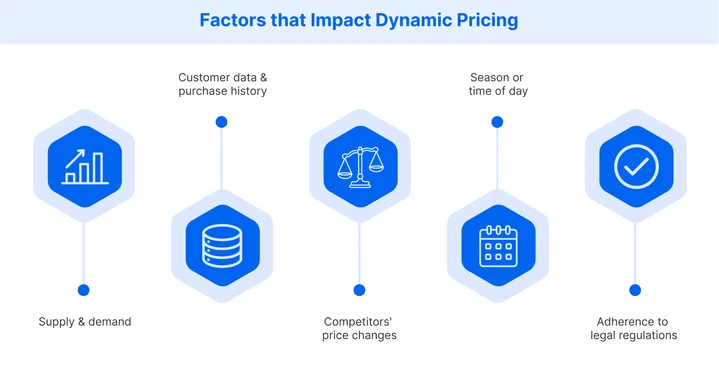
Crucial Factors Influencing Dynamic Pricing

FAQ
The biggest disadvantage of dynamic pricing is customer trust erosion when price changes feel unpredictable or unfair. Shoppers who encounter unexplained price swings, especially for the same product they previously bought at a lower price, lose confidence in the brand and switch to competitors. This risk is manageable with guardrail rules, pricing transparency, and the right configuration, but it is the disadvantage that causes the most reputational damage when ignored.
Companies use dynamic pricing because it lets them align prices with actual market conditions in real time rather than relying on static prices set weeks or months ago. It captures higher revenue when demand is strong, stimulates sales when demand is soft, keeps inventory balanced, and enables data-driven responses to competitor moves, all simultaneously and automatically at a scale no manual pricing team can match.
The key risks of dynamic pricing are customer backlash from unexplained price changes, margin erosion from competitor price wars, data quality failures that produce bad pricing recommendations, regulatory non-compliance in markets with strict pricing transparency laws, and over-reliance on automation without human oversight. Each risk is manageable with the right guardrails, rule engines, and implementation approach, which is what platforms like FCC's Dynamic Pricing solution are specifically designed to provide.
Every pricing strategy involves a trade-off between margin, volume, and customer perception. Fixed pricing offers predictability but sacrifices revenue during demand peaks. Value-based pricing captures willingness-to-pay effectively but requires deep customer insight. Competitive pricing keeps you in the market, but risks margin erosion. Dynamic pricing is the most adaptive strategy available; it can incorporate signals from all other approaches simultaneously, but it requires the right technology, guardrails, and data infrastructure to deliver its full advantages without triggering its disadvantages. The right choice depends on your business model, market dynamics, and operational maturity.
The 3-3-3 rule in marketing is a content engagement principle: you have 3 seconds to capture attention, 3 lines to communicate your core message, and 3 minutes to deliver enough value to hold interest. In the context of pricing strategy and e-commerce, it underlines why pricing transparency matters; customers make rapid judgments about whether a price feels fair. If your dynamic pricing creates confusion in those first 3 seconds of a product page view, the sale is already at risk. This is why clear price framing, contextual anchoring (showing previous or comparative prices), and consistent communication of value are essential alongside any dynamic pricing implementation.
Yes, dynamic pricing is legal in most jurisdictions globally. It is widely used and accepted across airlines, hotels, e-commerce, ride-sharing, and retail. The legal boundary is reached when pricing becomes discriminatory based on protected characteristics (race, gender, religion), or when prices are raised to exploitative levels during declared emergencies, which constitutes price gouging and is prohibited in many regions. Outside of those boundaries, dynamic pricing is a legitimate and commonly practised commercial strategy. Businesses operating across multiple geographies should review local consumer protection laws to ensure their pricing rules comply with regional requirements, particularly in the EU and certain US states where pricing regulations are more detailed.
More Blogs
See how retailers and brands are winning with FCC
Everything About Price Skimming Strategy Explained
Read More
What is a High-Low Pricing Strategy?
Read More
Ultimate Guide To Dynamic Pricing Strategy In 2026
Read More
Retail Pricing Strategies: Winning with Promotion Pricing in Competitive Markets
Read More
Ad Tags: Enhancing Ad Serving Efficiency in Large-Scale Campaigns
Read More