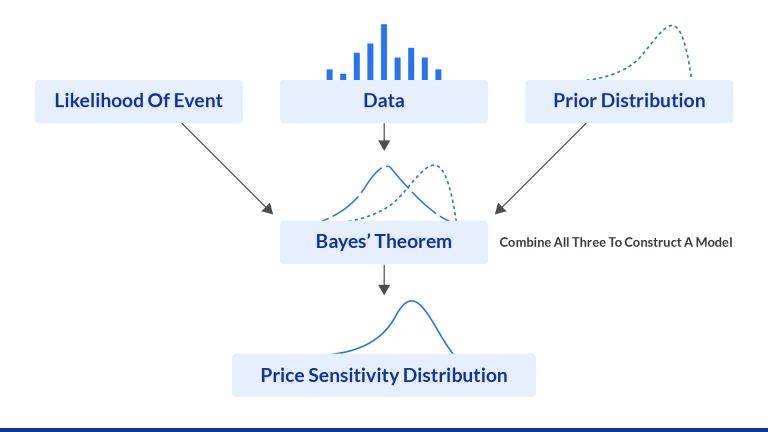
Dynamic pricing is undeniably a multi-model problem, as pricing teams grapple with a myriad of factors that influence customer behavior and sales volume. In this intricate landscape, models are essential to estimate price sensitivity, striking a delicate balance between per-unit profit and overall sales volume to maximize revenue. These models encompass various dimensions, such as customer segments, product types, availability, competition, and more. Moreover, external factors like seasonal demand, environmental conditions, and marketing initiatives further complicate the equation.
To optimize prices effectively and swiftly, multiple models come into play, including elasticity models, supply and demand forecasts, competition model and customer segmentation. Each model serves a unique purpose and may require distinct expertise, retraining schedules, and interdependence with other models in the pricing stack. Consequently, any adjustments to one model can trigger a ripple effect across the entire pricing strategy, demanding careful evaluation and A/B testing. Additionally, the granularity of pricing can vary from region to region, store to store, or even product to product, leading to an extensive array of models in use. This complexity underscores the need for coordinated efforts among data scientists and pricing teams to manage, deploy, and monitor thousands of models effectively.
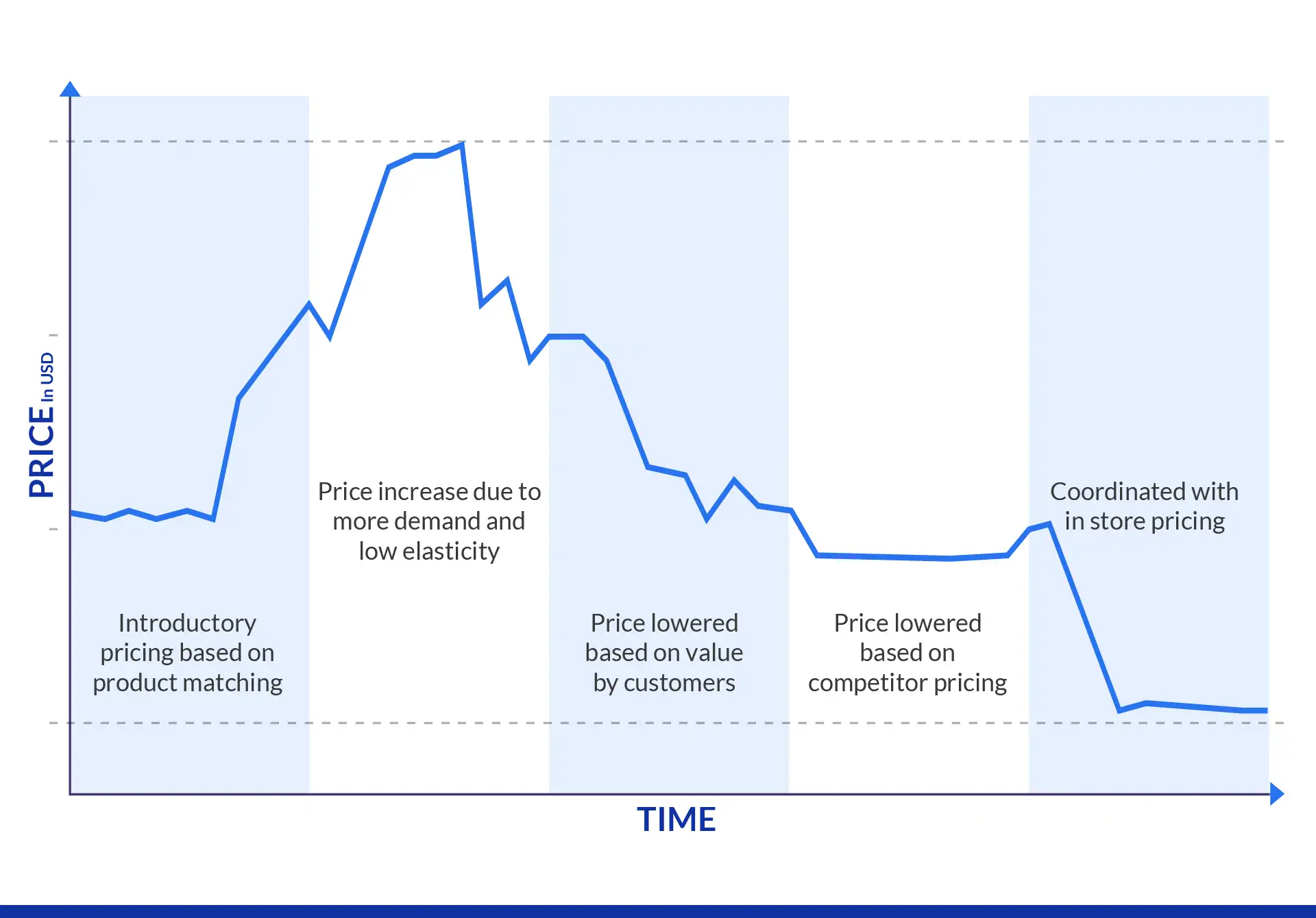
Things To Consider While Implementing Dynamic Pricing Algorithms
While implementing dynamic pricing algorithms has a multitude of benefits, their successful implementation relies on several critical factors. Let's explore some key considerations that businesses should keep in mind when embarking on the dynamic pricing journey.
Feasibility and Understanding Price Elasticity
Before diving into dynamic pricing, it's essential to assess the feasibility of implementing such algorithms within your business model. Understanding price elasticity is fundamental. Price elasticity measures how sensitive customer demand is to changes in price. In other words, it helps you gauge how likely customers are to buy more or less of your product when prices change.
A deep understanding of price elasticity empowers businesses to set optimal pricing strategies. Some products may have inelastic demand, meaning that customers are less responsive to price changes. Others may have elastic demand, where small price adjustments can significantly impact sales volume. By comprehending price elasticity, you can tailor your dynamic pricing algorithms to specific products or services effectively.
Comprehensive High-Quality Data
Dynamic pricing algorithms heavily rely on data. To make informed pricing decisions, you need comprehensive, high-quality data. This includes historical sales data, customer behavior data, competitor pricing data, and even external factors like market trends and economic indicators.
Access to clean, up-to-date data is crucial for accurate predictions. Without it, your dynamic pricing algorithms may struggle to adapt to changing market conditions. Ensure that your data collection and processing systems are robust, as the quality of input data directly impacts the effectiveness of your pricing strategies.
Ability to Add Pricing Boundaries in Existing Models
Dynamic pricing doesn't mean setting prices without constraints. It's essential to establish pricing boundaries within your dynamic pricing algorithms. These boundaries prevent prices from reaching levels that could alienate customers or harm your brand reputation.
While dynamic pricing aims to optimize revenue, it should also align with your business values and customer expectations. Being able to implement pricing boundaries, whether it's setting a minimum or maximum price, safeguards your brand's integrity and prevents undesirable price fluctuations.
Performance Tracking with Pricing Adjustments
Dynamic pricing is an ongoing process that requires continuous monitoring and adjustment. Implement a robust system for tracking the performance of your pricing strategies. Assess how changes in pricing affect sales volume, revenue, and customer satisfaction.
Regularly analyze the data generated by your dynamic pricing algorithms and use it to refine your strategies. Be prepared to make pricing adjustments as needed to maintain a balance between profitability and customer loyalty. A dynamic pricing approach is dynamic in its truest sense – it evolves as market conditions and customer behaviors change.
Dynamic Pricing Model Management With FCC
FCC's dynamic pricing engine stands at the forefront of modern pricing strategies, offering a powerful cloud-based solution for businesses. Leveraging cutting-edge machine learning technology based on proprietary game-theory based algorithm, our dynamic pricing engine examines historical data and real-time market dynamics to craft optimal pricing strategies for products and services. What truly sets it apart is its ability to adapt to customer behavior, tailoring prices based on factors like purchase history and browsing patterns. In a world where agility and precision are paramount, FCC's dynamic pricing engine empowers businesses to stay competitive and maximize profitability with ease.
Need help with your pricing strategies? Talk to us today!

FAQ
Dynamic pricing is often machine learning, as dynamic pricing is a strategy, while machine learning is a tool used to execute that strategy with high efficiency and complexity. Basic forms of dynamic pricing can rely on simple rules, but the most sophisticated systems, especially those available from platforms like FCC, leverage machine learning algorithms to process vast amounts of real-time data on demand, competitor prices, and inventory to predict optimal pricing and make instantaneous, automated adjustments.
The dynamic pricing method is a flexible pricing strategy where the cost of a product or service is adjusted in real-time or near real-time in response to current market demand, supply levels, competitor actions, and specific customer conditions. This method moves away from static pricing to continuously capture the maximum possible revenue by ensuring the price always aligns with the current market valuation and perceived value.
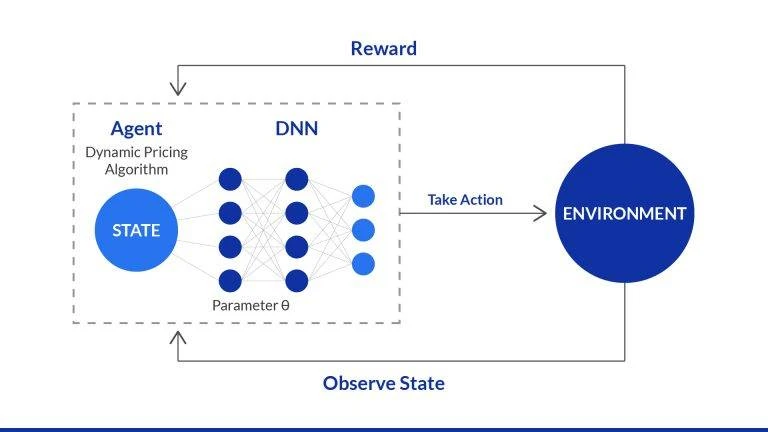
Dynamic pricing involves employing AI capabilities, particularly machine learning, to analyze complex, multivariate data sets, including historical sales, seasonal trends, and live competitor information to predict consumer price elasticity and calculate the ideal price point for any given moment. AI automates this sophisticated decision-making process, allowing prices to be updated automatically and frequently across a large product catalog without human intervention.
The machine learning model for pricing is typically a regression or classification algorithm trained on historical transaction data and market variables to predict the optimal price that will maximize revenue or profit for a given product at a specific time. This model learns the non-linear relationship between price, demand, and various external factors, allowing it to forecast the impact of a price change before it is implemented.
Dynamic programming in machine learning is an optimization technique used in some algorithmic problems to solve complex problems by breaking them down into simpler, overlapping subproblems and storing the results of those subproblems to avoid re-computation. While it is a computer science concept separate from machine learning itself, it is sometimes used within certain machine learning frameworks, such as in reinforcement learning, to calculate optimal sequences of decisions efficiently.
More Blogs
See how retailers and brands are winning with FCC
Everything About Price Skimming Strategy Explained
Read More
What is a High-Low Pricing Strategy?
Read More
Ultimate Guide To Dynamic Pricing Strategy In 2026
Read More
Retail Pricing Strategies: Winning with Promotion Pricing in Competitive Markets
Read More
Ad Tags: Enhancing Ad Serving Efficiency in Large-Scale Campaigns
Read More