Search monetization for e-retail websites is the next big thing that is yet to disrupt growing marketplaces. Retail searches help in driving customers to final purchases on eCommerce platforms like Flipkart and Amazon and help in generating the revenue streams at both topline and bottom-line.
One such product that is based on Search based monetisation is Flipkart’s Product Listing Ads (PLA). PLA are high-performance-driven Ads solutions that enable brands and sellers to showcase their product listings to customers at the peak of their purchase intent. The product is focused on catering to the advertising needs of long-tail sellers with a prime focus on sales conversion by leveraging platform data and the right user contextual targeting.
As the inventors of this format, we keep getting a lot of questions from monetisation, marketing and merchandising teams about how search ads in retail increase growth opportunities.
There are questions such as :
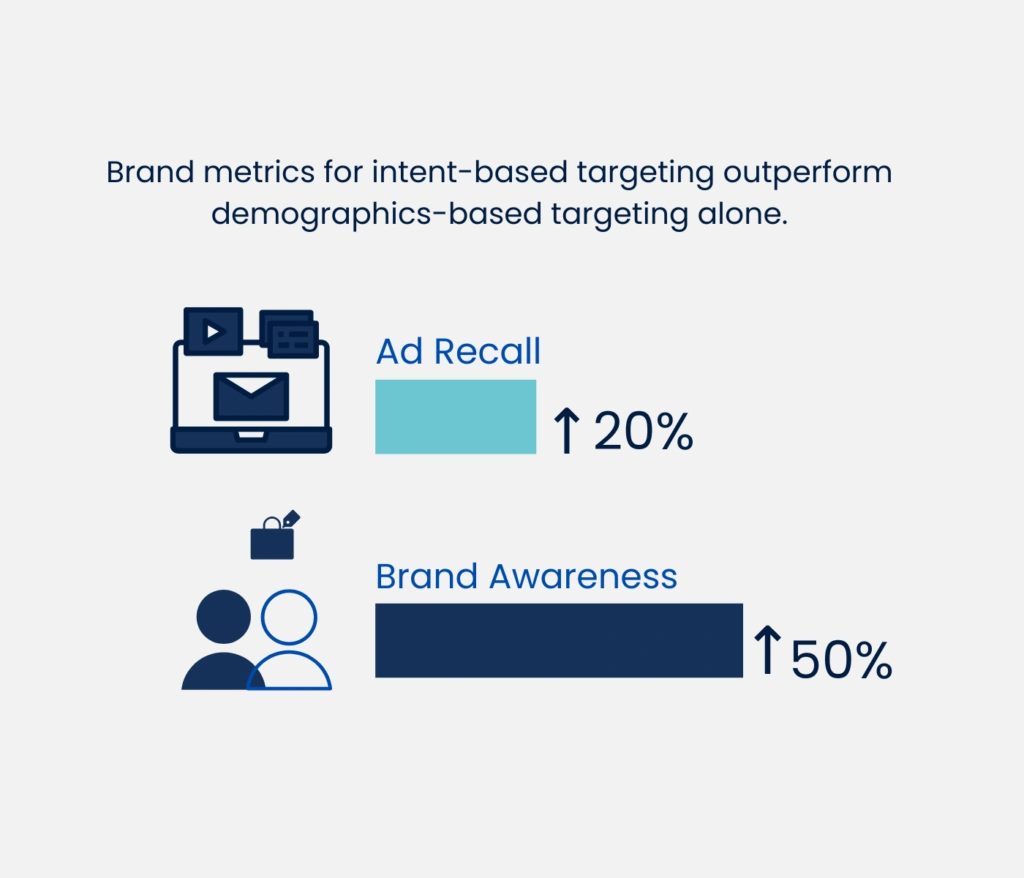
What are Search based Ads and how can eCommerce players enable this monetization stream from scratch on their platform? How are they more secure than demographic targeting or behavioural cohorts? How does data flow from search queries to ad targeting?
Read on to find the answers to these questions.
Intermediate level guide on Search Ads
THE IMPORTANCE OF RANKING HIGH IN THE RETAIL SEARCH :
If you are able to optimize your product content, there are chances that you will achieve a higher ranking. The higher your ranking, the more visible your product will be to the potential customers and hence better chances of conversion leading to improved sales. It further also improves the brand’s presence in the online and offline market where these campaigns create both direct and indirect impacts on the customer’s awareness, consideration and eventually purchase funnels.
A significant amount of customers do research online before making a purchase online or in an actual physical store. The quantum further increases if they are buying an item that is high ASP. This means retail searches have an impact on not only online but offline sales as well.
FAQ
Retail Search Ads are a form of sponsored listing that appears directly within a retailer’s own ecommerce website or mobile app, typically in response to a user's product search query. These ads are product listings that look nearly identical to organic search results but are placed in premium positions (like the top of the search results page) and are paid for by the brand selling the product. Their purpose is to drive immediate clicks and conversions by presenting the product at the precise moment of high purchase intent.
Quality Score (or ad quality relevance) is a metric used by advertising platforms to estimate the quality and relevance of an ad, landing page, and keywords relative to the user's search query, and it significantly affects Search Ads by determining both the ad's auction eligibility and its cost. A higher score often leads to a lower cost per click (CPC) and better ad rank (a higher position on the page), because the platform rewards advertisers for providing a better, more relevant experience to the user.
Yes, Search Ads can target users based on location or device, as these are standard targeting parameters available on most search advertising platforms, including retail media networks. Location targeting allows advertisers to show ads only to users within a specific geographic area (e.g., a city or zip code), which is crucial for promoting local deals or for omnichannel campaigns. Device targeting allows advertisers to adjust bids or focus campaigns specifically on users browsing via desktop, mobile, or tablet, optimizing for the user experience on each device.
Search Ads differ from display or social ads primarily based on user intent and placement. Search Ads are pull-based, appearing when a user is actively searching for a specific product or solution (high intent), typically using a text-based format directly in the search results. Display and social ads are push-based, appearing on third-party websites or social feeds to an audience based on demographics or interests (lower intent), typically using highly visual banner or video formats.
Common challenges or limitations of Search Ads include high competition and rising cost per click (CPC), especially for high-volume, generic keywords. Another limitation is the need for constant keyword maintenance and optimization to cover all relevant search terms and keep up with changing user queries. For retailers specifically, a key limitation is that Search Ads only address existing demand; they do not create new demand, which must be driven by upper-funnel display or social campaigns.
Retail Search Ads are different from general search engine ads (e.g., Google search ads) in two fundamental ways: intent and data. Retail Search Ads target users who are already on the retailer's site and are looking to buy that specific product right at that moment (highest purchase intent). They are powered by the retailer's first-party transaction data (actual purchase history). General search ads target users across the entire web (often for research) and are powered by third-party data and search query history. The closed-loop attribution of the Retail Search Ad is far more direct, a feature supported by platforms like FCC.
Common mistakes to avoid when using Retail Search Ads include bidding too low on high-intent, converting keywords that drive most of the sales volume, leading to missed impressions. Another mistake is failing to use negative keywords to filter out irrelevant or non-converting searches (e.g., "free," "used," or competitor names), which wastes budget. It's also a mistake to ignore the product page content, as a poor quality score or an unoptimized landing page will negate the benefit of a well-targeted ad.
More Blogs
See how retailers and brands are winning with FCC
Everything About Price Skimming Strategy Explained
Read More
What is a High-Low Pricing Strategy?
Read More
Ultimate Guide To Dynamic Pricing Strategy In 2026
Read More
Retail Pricing Strategies: Winning with Promotion Pricing in Competitive Markets
Read More
Ad Tags: Enhancing Ad Serving Efficiency in Large-Scale Campaigns
Read More