
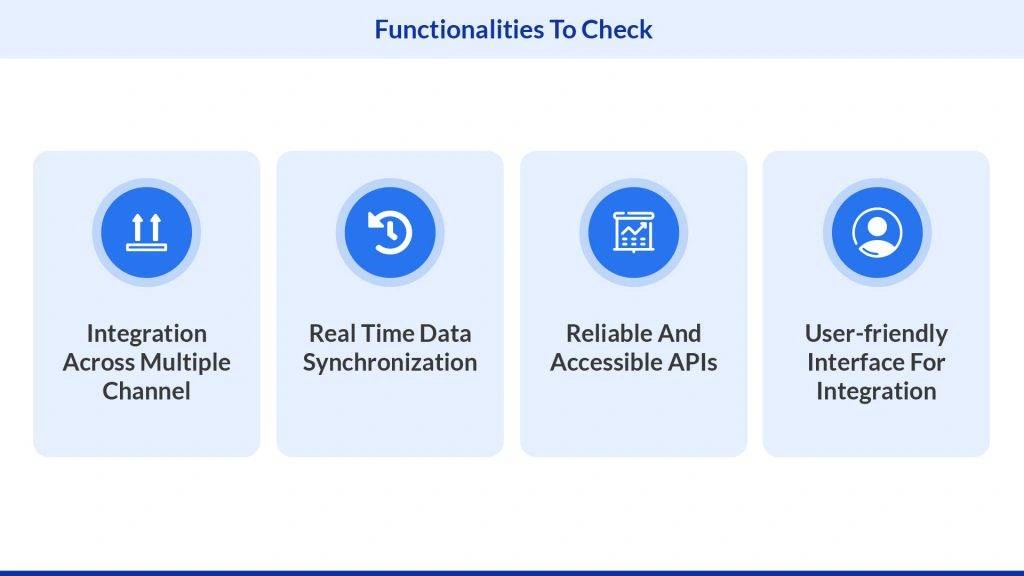
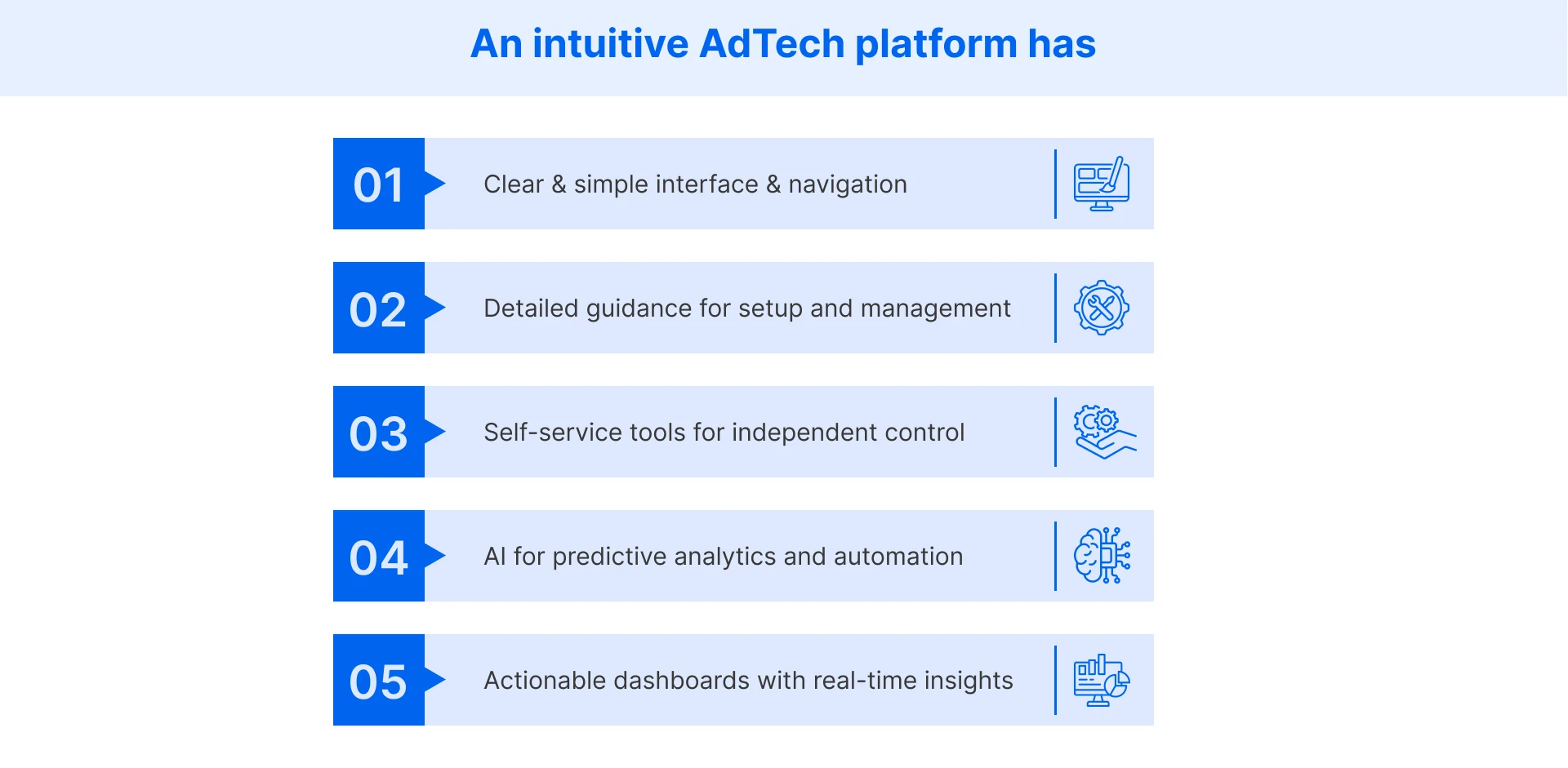
How intuitive is the platform to use?
FAQ
The trends shaping the future of AdTech include the shift towards a cookieless advertising environment, the increased use of retail media networks, the expansion of Connected TV (CTV) advertising, and the deeper integration of Artificial Intelligence (AI) for predictive targeting and campaign optimization.
Yes, Google is a major AdTech company, operating the largest advertising ecosystem through platforms like Google Ads (formerly AdWords), which acts as a Demand-Side Platform (DSP), and Google Ad Manager, which functions as a Supply-Side Platform (SSP) and ad server.
AI is used in ad tech to automate real-time bidding, optimize campaign budgets based on predictive performance models, identify and target highly receptive audience segments, and prevent ad fraud by detecting suspicious activity patterns.
You should select the best advertising platform for your business by considering your target audience's demographics and where they spend their time online, evaluating the platform's ad formats and measurement capabilities, and assessing the platform's cost-effectiveness relative to your budget and goals.
The platform that is best for B2B advertising is typically LinkedIn, due to its professional focus and strong targeting capabilities based on job title, industry, and company size, though Google Ads and certain niche trade publications or industry-specific platforms are also highly effective.
AdTech (Advertising Technology) primarily focuses on the paid acquisition of customers through advertising space, while MarTech (Marketing Technology) focuses on technologies that manage and optimize a company's owned marketing channels, such as email, CRM, and content management.
The main benefits of AdTech for advertisers include the ability to automate ad buying and selling in real-time, achieve highly precise audience targeting, optimize campaign performance using data-driven insights, and accurately measure the return on investment (ROI) of their ad spend.
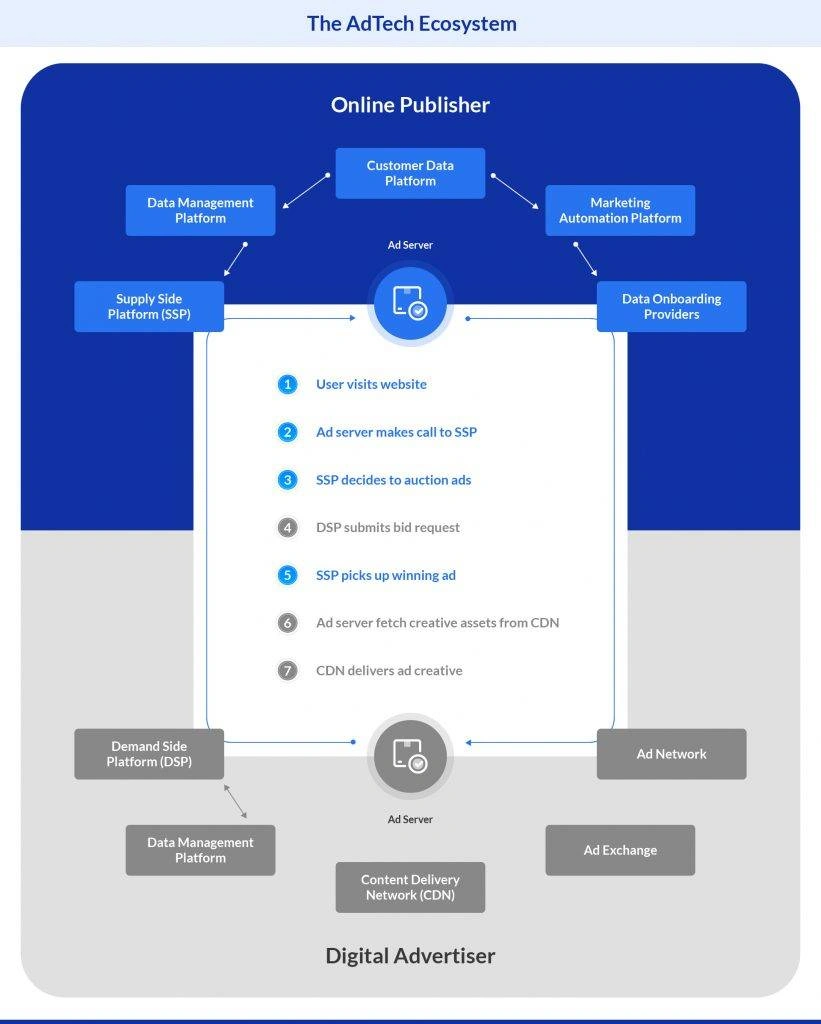
The AdTech ecosystem is made up of various interconnected technology platforms, including Demand-Side Platforms (DSPs), Supply-Side Platforms (SSPs), Data Management Platforms (DMPs), and Ad Exchanges, all working together to facilitate the programmatic delivery of digital ads.
More Blogs
See how retailers and brands are winning with FCC
Everything About Price Skimming Strategy Explained
Read More
What is a High-Low Pricing Strategy?
Read More
Ultimate Guide To Dynamic Pricing Strategy In 2026
Read More
Retail Pricing Strategies: Winning with Promotion Pricing in Competitive Markets
Read More
Ad Tags: Enhancing Ad Serving Efficiency in Large-Scale Campaigns
Read More