
November 24, 2026
What Is a Freemium Pricing Model and How Does It Work?
A freemium pricing model provides a usable basic version of a product or service for free while charging for advanced features or higher usage limits. Common in software and digital services, it allows businesses to attract users and generate revenue through paid upgrades.
Drishti, Manager - Digital Marketing

Table of Contents
- What Is a Freemium Pricing Model?
- How Does a Freemium Pricing Model Work?
- What Are Some Examples of Freemium Pricing Models?
- What Is the Difference Between Freemium and a Free Trial?
- How Is Freemium Pricing Different From Value-Based Pricing?
- How Is Freemium Pricing Different From Competitive Pricing?
- How Is Freemium Pricing Different From Cost-Based Pricing?
- What Are the Benefits and Challenges of a Freemium Pricing Model?
- What Should Businesses Consider Before Using a Freemium Pricing Model?
- Conclusion
What Is a Freemium Pricing Model and How Does It Work?
Offering free access to a digital product can help businesses attract new users, but supporting those users comes at a cost. The challenge is providing enough value to encourage adoption while making paid upgrades worthwhile for customers and financially sustainable for the business.
This article discusses how the freemium pricing model works, real-world examples, its benefits and challenges, and how it differs from free trials and other pricing approaches. It also examines what businesses should consider before adopting the model.
What Is a Freemium Pricing Model?
A freemium pricing model allows customers to use a functional version of a product or service at no cost, while charging for additional features, higher usage limits, or expanded capabilities. The term combines “free” and “premium”: users receive a usable basic offering, with more advanced options available through paid plans.
The model is common among software companies, mobile apps, and digital services. It can also apply to commerce platforms that provide basic tools for free while reserving more extensive functionality for paying users. The free tier offers genuine utility, even when customers choose not to upgrade.
How Does a Freemium Pricing Model Work?
A freemium pricing model works by dividing a product’s capabilities into free and paid tiers. Businesses decide which basic features users can access without payment and which premium features require an upgrade. The free tier allows customers to experience the product, while paid plans offer additional functionality or higher usage limits.
Revenue comes from users who upgrade to a paid version when their needs exceed what the free version provides. Depending on the product, businesses may charge recurring subscriptions or one-time fees to unlock additional features.
For example, a cloud storage service might offer free users limited storage space and basic file-sharing capabilities. Customers who need more storage, advanced sharing controls, or additional collaboration tools can upgrade to a paid plan. This allows users to assess the service before committing to payment.
What Are Some Examples of Freemium Pricing Models?
Several digital platforms use freemium pricing to offer basic services at no cost while providing additional benefits through paid plans. Spotify, Claude, and Canva demonstrate how this approach works across different products.
Spotify
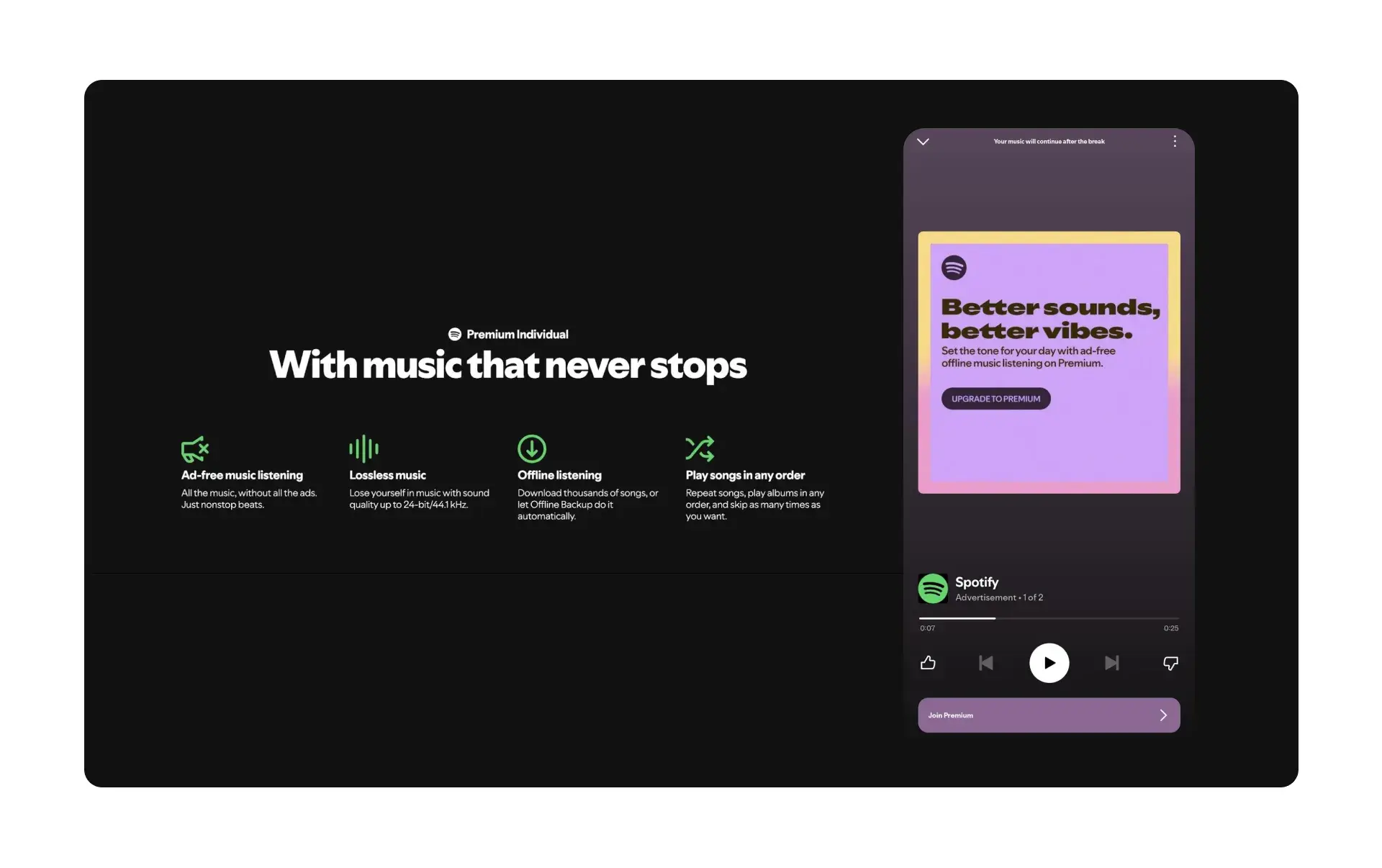
Spotify allows users to stream music through its free, ad-supported service. Premium subscribers can listen without music advertisements and download music for offline listening. The model combines advertising revenue from free users with subscription revenue from paying customers.
Infographic suggestion
Combine the two attached Spotify screenshots into one image, placing the Premium benefits screenshot on the left and the portrait upgrade advertisement on the right.
Claude
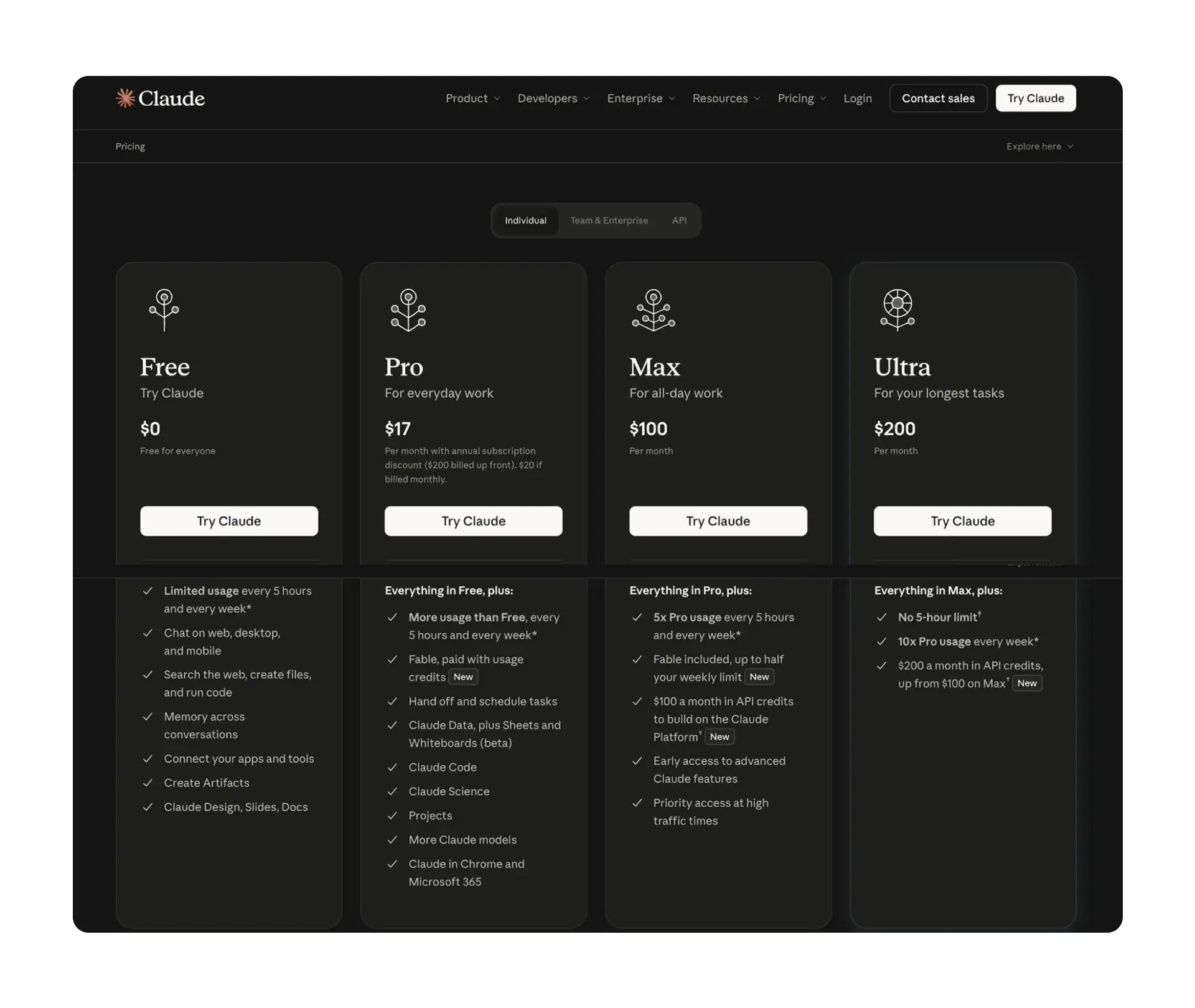
Claude offers a free plan with limited usage and access to basic features. Its paid plans, including Pro, Max, and Ultra, provide higher usage limits and additional capabilities. Users can start with the free version and upgrade when they need more frequent access or advanced tools.
Infographic suggestion
Combine the two attached Claude screenshots into one image, placing the pricing plans above the corresponding features.
Canva
Canva provides a free design platform with templates, graphics, and editing tools. Canva Pro offers a larger collection of premium content, advanced design tools, and expanded AI capabilities. Users can create designs without paying, while those needing additional resources can choose a paid plan.
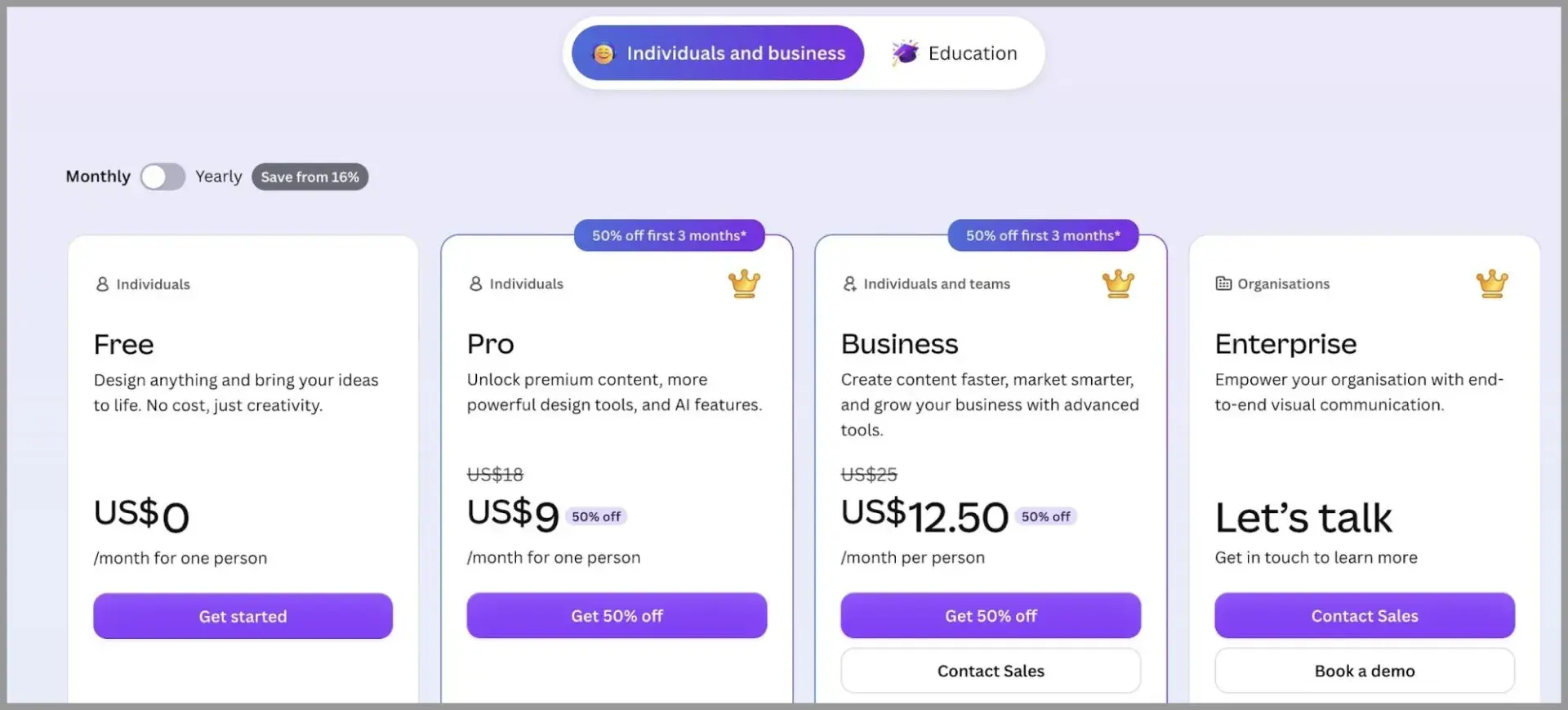
These examples show that freemium businesses can generate revenue through different approaches, including advertising, subscriptions, and paid access to expanded features or usage limits.
What Is the Difference Between Freemium and a Free Trial?
The main difference between freemium and a free trial model is how long users can access a product without paying. Freemium typically provides ongoing access to basic features, while a free trial allows users to test a product for a limited time before deciding whether to subscribe or purchase.
|
Freemium vs. Free Trial |
||
|---|---|---|
|
Aspect |
Freemium |
Free Trial |
|
Access duration |
Free access continues without a fixed expiration date. |
Access lasts for a specified trial period. |
|
Available features |
Basic features remain free, with premium capabilities requiring payment. |
May provide full or limited access to paid features during the trial. |
|
Payment requirements |
Payment is optional unless users upgrade. |
Payment may be required after the trial ends. Some providers request payment details upfront. |
|
Upgrade expectations |
Users can continue using the free version without upgrading. |
Users generally need to pay to retain access after the trial expires. |
How Is Freemium Pricing Different From Value-Based Pricing?
The main difference is that freemium pricing determines which product features users can access for free and which require payment, while value-based pricing focuses on setting prices according to the value customers perceive in a product or service.
These approaches can work together. For example, a software company may offer a free plan with basic features while using value-based pricing to determine what customers are willing to pay for advanced tools. In this case, freemium defines the access structure, while value-based pricing helps determine the price of the paid offering.
How Is Freemium Pricing Different From Competitive Pricing?
Competitive pricing involves setting prices with reference to what competitors charge for similar products or services. Freemium pricing, in contrast, determines which features users can access for free and which require a paid upgrade. While competitive pricing focuses on market rates, freemium focuses on how access and payment are structured.
Businesses can combine both approaches. For example, a project management platform may offer basic task management for free while comparing competitors’ subscription prices to determine a competitive rate for its premium features. However, competitor prices alone cannot determine which features should remain free or whether users will find enough value in upgrading.
How Is Freemium Pricing Different From Cost-Based Pricing?
Cost-based pricing determines a product’s selling price by considering the costs of providing it, typically adding a markup or target profit margin. Freemium pricing, on the other hand, structures access around free features and paid upgrades rather than calculating prices directly from costs.
Both approaches can inform a business’s pricing decisions. For example, a software company may offer free accounts while calculating infrastructure, maintenance, and customer support costs to determine whether revenue from its paid plans can sustain the service. Cost analysis helps assess financial viability, but it does not establish which features should be free or how much customers are willing to pay for premium access.
What Are the Benefits and Challenges of a Freemium Pricing Model?
A freemium pricing model can help businesses attract a larger user base by reducing the commitment required to try a product. However, attracting free users does not automatically translate into paying customers or sustainable revenue.
Benefits of a freemium pricing model
- Lower barriers to entry: Free access allows potential customers to experience a product without making an immediate financial commitment.
- Broader product adoption: A free offering can encourage more people to try a service, increasing brand awareness and creating opportunities for word-of-mouth recommendations.
- Customer acquisition opportunities: Businesses can attract users who might hesitate to purchase an unfamiliar product, giving them time to assess its usefulness.
- Potential for paid conversions: Engaged users who develop more advanced needs may upgrade to premium plans, creating opportunities for recurring revenue.
- Challenges of a freemium pricing model
- Low conversion rates: Many active users may remain on the free plan, making it difficult to generate enough revenue from paid subscriptions.
- Cost of supporting free users: Hosting, infrastructure, maintenance, and customer support expenses can increase as the user base grows, even when many users do not pay.
- Balancing free and premium features: Offering too much for free may reduce incentives to upgrade, while overly restrictive free tiers can discourage product adoption.
Freemium may be less suitable for businesses with high costs per user or products that offer limited opportunities to differentiate free and paid features.
What Should Businesses Consider Before Using a Freemium Pricing Model?
Before adopting a freemium pricing model, businesses need to assess whether their product can support free access while generating sufficient revenue from paying customers. This requires evaluating the product’s suitability, operating costs, customer needs, and expected financial performance.
Key considerations include:
- Product suitability: Determine whether the free tier provides a useful user experience while offering meaningful reasons for customers to upgrade.
- Cost of serving free users: Estimate the expenses associated with hosting, maintenance, and customer support. Businesses need to understand how these costs may change as their user base grows.
- Customer needs and upgrade value: Examine how customers use the product and which additional features or higher usage limits they are likely to value. Paid plans should address genuine needs rather than simply restricting essential functionality.
- Performance metrics: Track free-to-paid conversion rates, user engagement, customer retention, customer acquisition costs, and customer lifetime value. Together, these indicators help businesses assess whether the model is financially sustainable.
Businesses should review these findings regularly and adjust their feature offerings, pricing, or usage limits when necessary to maintain a viable balance between free access and paid adoption.
Conclusion
A freemium pricing model is sustainable only when paid upgrades generate enough revenue to support the cost of serving users. Attracting a large user base can create opportunities for growth, but sign-ups alone do not establish whether the model is financially viable.
Businesses need to offer genuine value in their free tier, give customers compelling reasons to upgrade, and monitor conversion rates alongside operating costs. The goal is not simply to attract free users but to turn product adoption into a sustainable business model.