The digital advertising world is changing fast. Google began phasing out third-party cookies in 2024, and by 2026, this shift will be well underway. For brands and retailers, this isn't just a technical update, it's a complete rethink of how we connect with customers online.
Third-party cookies have been the go-to tool for tracking shoppers across websites, enabling ad networks to track user profiles, analyze preferences, and deliver targeted advertisements based on browsing history. But growing privacy concerns and new regulations have pushed the industry toward cookieless retail media solutions. The good news? This change opens doors to better, more transparent ways of reaching your audience.
Google and other ad tech platforms face increasing scrutiny over data handling practices, prompting advertisers to seek privacy-compliant alternatives. Understanding this cookieless landscape and implementing effective strategies is no longer optional; it's essential for sustainable digital marketing succes
Let's break down what this means for your business and how you can stay ahead with the right strategies.
What Are Cookies and Why Are They Going Away?
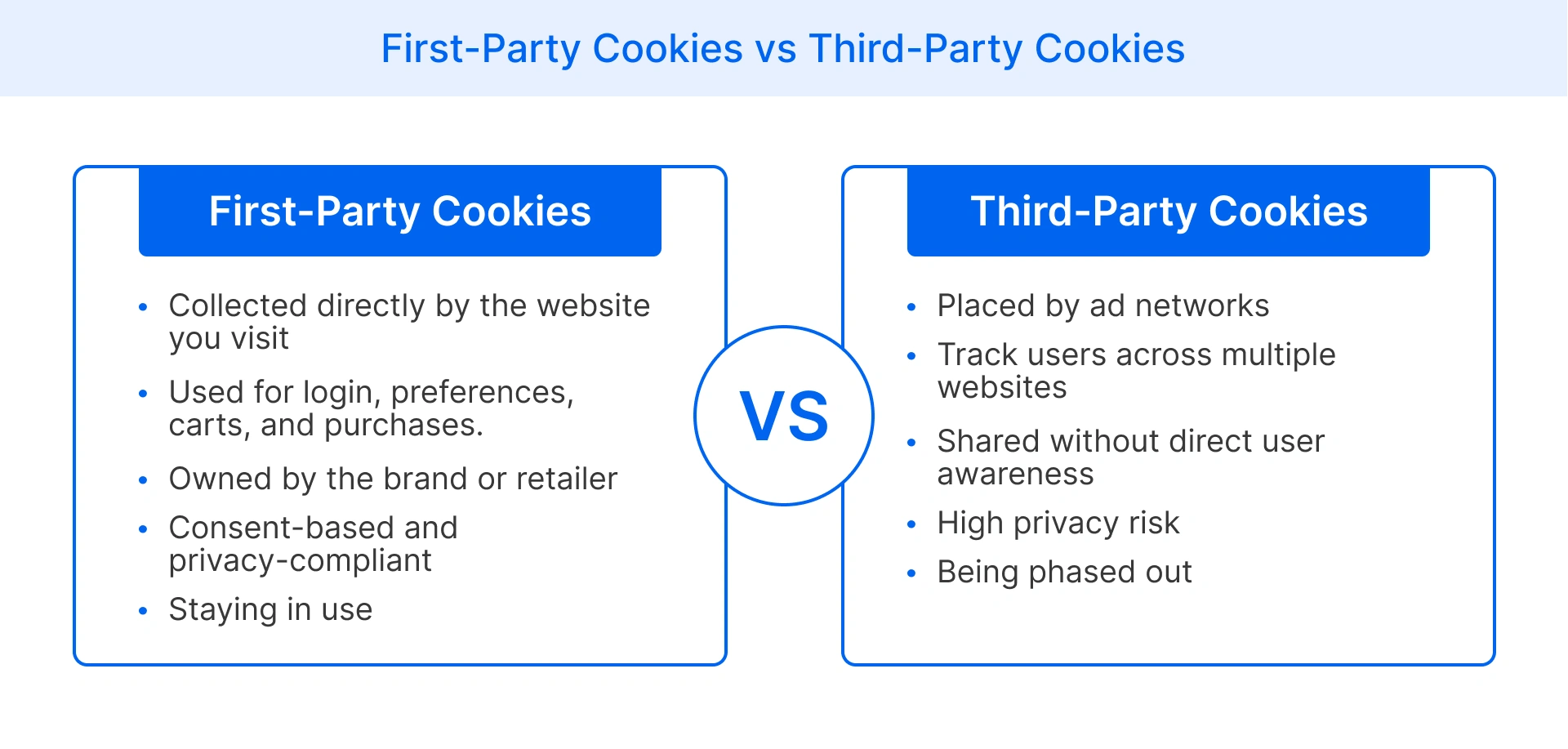
Cookies are small files that websites store on your browser to remember things like your login details, shopping cart items, and preferences. They make browsing easier and more personalized.
But the problem is third-party cookies, the ones placed by advertisers and ad networks track you across different websites without your direct knowledge. This has raised serious privacy red flags. People want control over their data, and regulators are listening.
Google, Safari, and other browsers are removing third-party cookie support to protect user privacy. It's not about killing advertising; it's about making it more respectful and transparent.
What's Really Happening? Key Facts About Cookie Changes
Let’s clear up the confusion about the new ad format by reading a few facts about the cookie changes that marketers should be aware of.
Google isn't stopping user tracking altogether. They're investing in new tools like Privacy Sandbox that track groups of similar shoppers instead of individuals. This keeps ads relevant while protecting privacy.
First-party cookies are staying. Only third-party tracking cookies are being removed. Data you collect directly from your own website, through sign-ups, purchases, or account creation, remains yours to use.
This is a chance to innovate. Brands that adapt early are finding creative new ways to engage customers. The cookieless shift is pushing the industry to think differently, and that's exciting.
Cookieless Retail Media Solutions: What's Next for Advertisers
Privacy laws like GDPR in Europe and CCPA in California are tightening the rules around data collection. Third-party cookies operated in the shadows, with most people unaware of how their data was being used and shared.
The industry is moving toward transparency. Shoppers want to know what data is collected and how it's used. Brands that can't provide clear answers will lose trust and customers.
Advertisers know that data drives results, so they're not going back to guesswork. Instead, they're exploring cookieless advertising strategies for retail that respect privacy while maintaining effectiveness.
Google and others are making it clear: privacy and performance can coexist. The solutions being built now will define the next era of digital advertising.
A Reality Where Everyone’s Privacy Comes First
Third-party cookies have undoubtedly been a boon to marketers and advertising. All it needs to start monitoring users is establishing a cookie and a site visit. After this, you can access all the sites they have browsed. Users are not so thrilled. Most people don't like feeling watched or having their online activity sold to the highest bidder. Data breaches and misuse scandals have only made things worse.
To alleviate these concerns of loss of privacy, Google intends to scale out the usage of third-party cookies to conform to stricter cookie privacy standards, regain the confidence of its audience online, and develop a digital realm that prioritises privacy for Chrome users.
Embrace a Cookieless Advertising Strategy for Retail
The cookieless future is here, and adapting doesn't have to be overwhelming. Here are straightforward tactics to keep your marketing strong:
1. Build First-Party Data Foundation
First-party data, information customers share directly with you, is your most valuable asset now. Think email sign-ups, loyalty programs, purchase history, and account preferences.
Retail media platforms are goldmines for this kind of data. When someone shops on an e-commerce site, every action they take (browsing, adding to cart, buying) creates insights you can use, with their consent.
Unlike third-party cookies that track people across the web, first-party data comes straight from your relationship with customers. It's more accurate, more trusted, and totally compliant with privacy laws.
In this scenario, the first-party data is invaluable for advertisers who want to run ad campaigns and leverage ad formats that are contextually related to the user’s specific needs. It also assists you in generating new income sources by utilising segregated user data. Use this data to create personalized experiences, run targeted campaigns, and understand what your customers actually want. It's direct, honest, and effective
2. Grow Your Customer Relationship
Consumers expect brands and businesses to be more responsible for their privacy and personal information. Start by being upfront about what data you collect and why. Offer real value in exchange, exclusive deals, personalized recommendations, and helpful content.
The key is quality over quantity. Don't collect data just because you can. Collect what helps you serve customers better, and be clear about it.
Content marketing, engaging social media, and genuine customer service all help you build trust and grow your first-party data naturally. When people feel valued, they're happy to share information.
3. Be Transparent About Data Use
Earn your customer trust by being transparent about what happens behind the scenes. Explain what data you collect, how you protect it, and how it improves their experience.
Transparency turns data collection from a privacy concern into a partnership. When customers understand the value, they're more willing to participate.
4. Maximize Customer Satisfaction
Privacy-first doesn't mean less personalisation, it means better personalisation based on real relationships. Consumer needs and satisfaction are essential, from taking approval to developing new initiatives; it is critical to maintain the client experience at the forefront of your thoughts.
Customer experience has a distinct role in brand marketing. It can assist you in evaluating your target market and defining various connections.
All brands and businesses want to be the greatest in terms of client happiness. Therefore, building a sustainable environment that accommodates your customers’ expectations and matches content with the consumer’s goals is still critical.
Cookieless Retail Advertising Solutions That Work
Effective marketing requires reliable, privacy-compliant advertising methods. Marketers must adapt to the continuously evolving privacy-focused digital marketplace by embracing new technologies and strategies.
Success in the cookieless era demands a comprehensive approach that emphasizes first-party data collection, ethical marketing practices, and adaptation to industry shifts. From cookie deprecation to emerging retail media networks, brands must rethink their data strategies to maintain competitive advantages.
The collective innovation of the advertising technology sector provides reason for optimism. While the specific technologies continue to evolve, it's clear that businesses must transform their data practices to achieve sustainable results. This transformation begins with strengthening direct customer relationships and building consented first-party data assets.
How Flipkart Commerce Cloud Enables Cookieless Success
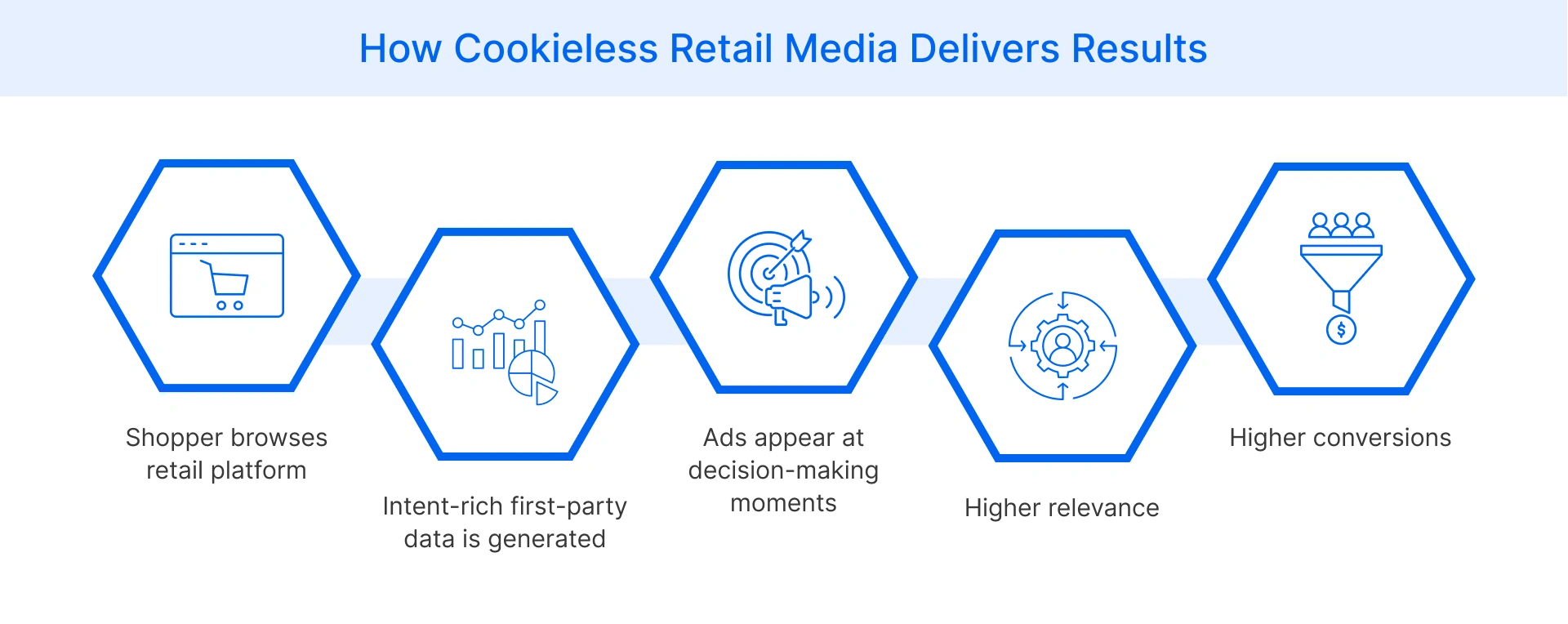
Retail media is emerging as the smartest alternative to cookie-based advertising. These platforms connect brands with shoppers who are actively ready to buy, using first-party data that's privacy-compliant and incredibly accurate.
Flipkart Commerce Cloud Ad Manager provides end-to-end cookieless retail advertising solutions that help brands leverage data from retail media platforms while respecting privacy. The platform creates complete sponsored ad ecosystems with advanced revenue models that benefit both retailers and advertisers.
From rich media to video ads and static formats, everything runs through one streamlined system. This drives engagement and conversions by reaching shoppers exactly when they're making purchase decisions, the most valuable moment in the customer journey.
Book a demo to activate first-party data at the point of purchase and reach ready-to-buy shoppers using privacy-compliant retail data.

FAQ
Cookieless retail media refers to advertising strategies that do not rely on third-party cookies stored in a user’s browser. This major shift in the digital advertising industry emphasizes using a retailer's own data to deliver relevant ads. Flipkart Commerce Cloud provides cookieless retail media solutions that maintain brand awareness without invading user privacy.
Third-party cookies are being phased out primarily due to growing privacy concerns and strict privacy regulations like the Data Protection Regulation. Major web browsers like Google Chrome and Safari are ending support to protect user privacy. This evolution forces the advertising industry to adopt new ways of tracking advertising campaigns without personally identifiable information.
Retailers can target ads without cookies by using alternative methods like contextual targeting and privacy sandbox APIs. By analyzing real-time user behavior on their own platforms, brands can reach the right people during their shopping journey. Flipkart Commerce Cloud helps implement a cookieless advertising strategy for retail that ensures high-performing digital advertising.
First-party data plays a critical role as the cornerstone of cookieless retail advertising solutions by providing verified customer insights. Retailers collect this owned data through loyalty programs and an email address provided with consent. Using data activation tools, brands can create precise audience segments that replace the need for behavioral targeting.
Cookieless retail media is better for consumer privacy because it eliminates cross-site tracking across different sites on the open web. These solutions prioritize user experience by using clean room technology to protect sensitive information. This good news for shoppers means they receive relevant ads without their IP address or browsing history being exposed.
The difference between contextual ads and cookieless targeting lies in the data source used for ad placement. Contextual advertising places ad space based on the content of a web page rather than users' past history. Meanwhile, cookieless targeting often utilizes first-party data and universal ID solutions to maintain high relevancy.
More Blogs
See how retailers and brands are winning with FCC
Everything About Price Skimming Strategy Explained
Read More
What is a High-Low Pricing Strategy?
Read More
Ultimate Guide To Dynamic Pricing Strategy In 2026
Read More
Retail Pricing Strategies: Winning with Promotion Pricing in Competitive Markets
Read More
Ad Tags: Enhancing Ad Serving Efficiency in Large-Scale Campaigns
Read More