Attracting new customers takes more than increasing advertising spend. Retailers need to reach their target market, give shoppers a reason to make their first purchase, and understand which marketing efforts justify their costs. A well-planned customer acquisition strategy brings these decisions together across ecommerce stores and physical retail locations.
This article covers customer acquisition strategies for retailers, including paid advertising, organic search, first-time offers, retargeting, product launches, and referrals. It also explains how businesses can plan their acquisition efforts and measure performance using metrics such as customer acquisition cost (CAC) and conversion rates.
TL;DR: Key Takeaways
- Customer acquisition focuses on attracting prospects and converting them into first-time buyers, while customer retention focuses on encouraging existing customers to return.
- Retailers can combine paid advertising, SEO, promotional offers, and referrals to attract new customers through different acquisition channels.
- The right acquisition strategy depends on the target audience, marketing budget, product offering, and customer buying behavior.
- Tracking customer acquisition cost, conversion rates, and customer lifetime value helps businesses evaluate their acquisition efforts.
What is a Customer Acquisition Strategy?
A customer acquisition strategy is a plan businesses use to attract potential customers and convert them into first-time buyers. It uses market research to identify the target audience, the marketing channels used to reach them, and the steps needed to encourage purchases while managing customer acquisition costs.
For example, a retailer launching a new clothing line might combine digital advertising, targeted marketing campaigns, and first-time purchase offers to attract shoppers to its online or physical stores.
An effective customer acquisition strategy can support several business objectives:
- Customer Base Expansion: Attract new shoppers and convert interested prospects into paying customers, helping retailers expand their customer base.
- Brand Recognition: Increase visibility among potential customers and help a retail business stand out in a competitive market.
- Revenue Generation: Create opportunities for first-time purchases and additional sales, provided acquisition costs remain sustainable.
- Business Sustainability: Establish a consistent approach to acquiring customers while monitoring acquisition costs and the value those customers bring to the business over time.
What Are the Best Customer Acquisition Strategies for Retailers?
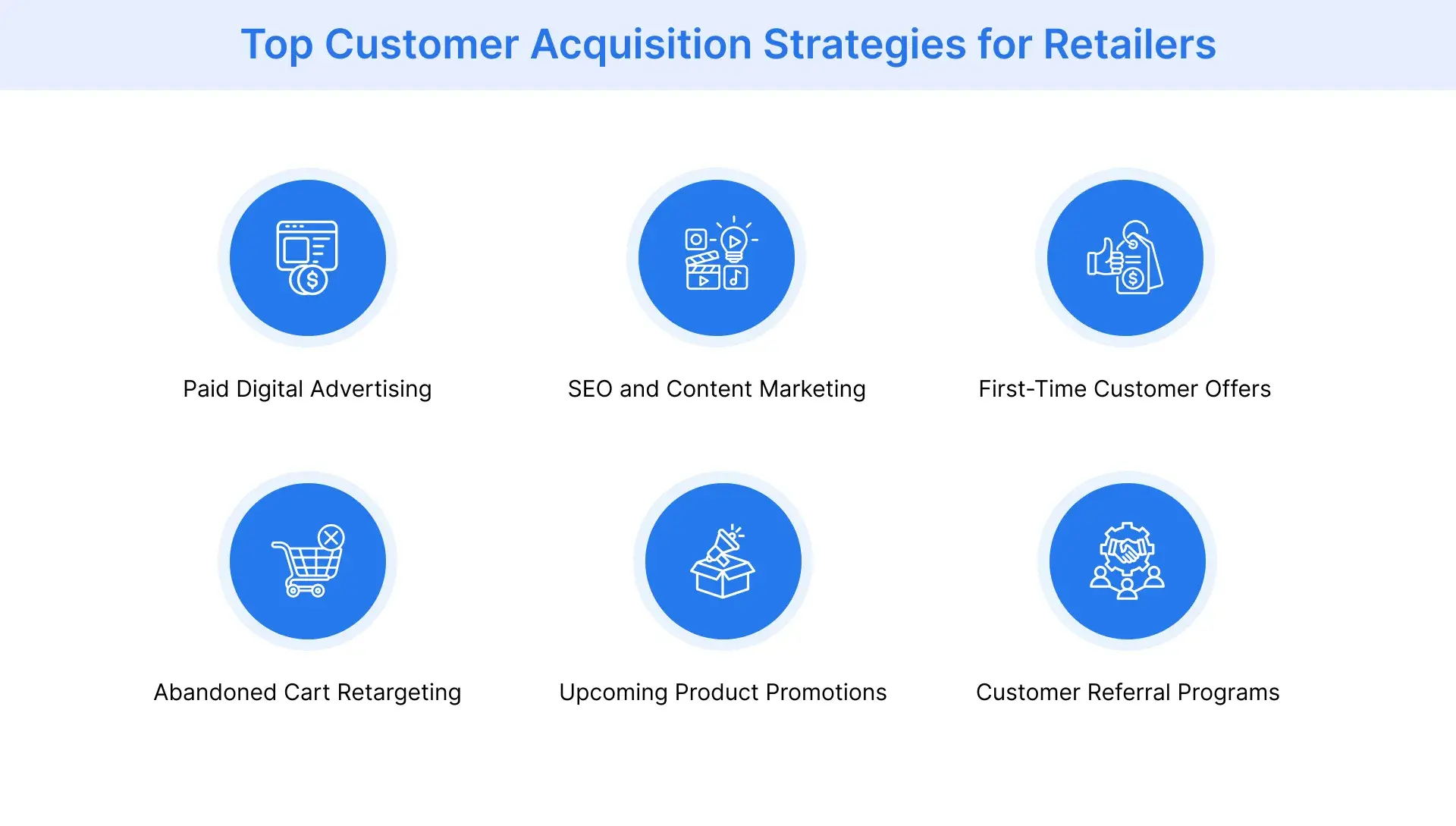
The best customer acquisition methods for retailers combine marketing channels that attract potential shoppers with tactics that encourage first-time purchases. Six approaches include paid digital advertising, SEO and content marketing, first-time customer offers, retargeting interested visitors, product launch promotions, and referral programs.
The right combination depends on your target customers, marketing budget, and shopping behavior. Using multiple approaches allows retailers to reach potential buyers at different stages of their purchasing journey while managing acquisition costs.
Use Paid Digital Advertising
Paid digital advertising helps retailers reach potential customers through search engines, social media marketing, and shopping ads. Unlike organic marketing, paid digital marketing campaigns allow businesses to target specific audiences based on factors such as search intent, location, interests, and shopping behavior.
For example, a fashion retailer launching a new clothing collection might use Google Ads to reach shoppers searching for similar products and social media advertising to introduce the collection to new audiences. Physical retailers can also use location-based advertising to attract shoppers to nearby stores.
Retailers should follow these best practices to make paid advertising effective:
- Target Relevant Audiences: Use search terms, customer interests, and location data to reach shoppers likely to be interested in their products.
- Match Ads to Landing Pages: Direct potential buyers to relevant product or category pages with clear pricing, product information, and a straightforward purchase process.
- Monitor Campaign Performance: Track conversion rates, advertising costs, and customer acquisition cost (CAC) to identify which campaigns are bringing in new customers efficiently.
Regularly reviewing campaign results helps retailers adjust their targeting, budgets, and messaging rather than continuing to spend on ads that generate traffic without purchases.
Attract Customers Through SEO and Content Marketing
Search engine optimization (SEO) helps retailers attract potential customers through organic search results. Combined with quality content, it allows businesses to reach shoppers researching products, comparing options, or looking for solutions before making their first purchase.
For example, a sporting goods retailer might optimize its running shoe category pages for relevant search queries and publish a guide on choosing the right shoes for different activities. The guide can direct interested readers to suitable products, helping turn product research into purchase opportunities.
Retailers can strengthen organic customer acquisition by:
- Optimizing Product and Category Pages: Use descriptive page titles, relevant search terms, and detailed product information to help shoppers find products that match their needs.
- Creating Relevant Content: Publish buying guides, product comparisons, and FAQs that answer common shopping questions and support purchase decisions.
- Connecting Content to Products: Add relevant internal links from informational content to product and category pages, making it easier for visitors to explore available options.
Retailers should monitor organic traffic and first-time customer conversions to understand which content attracts new buyers, rather than measuring success through website visits alone.
Promote First-Time Customer Offers
First-time customer offers can encourage shoppers to make their first purchase from a retailer. Discounts, free shipping, and limited-time welcome promotions can make trying an unfamiliar brand more appealing, especially when customers are comparing similar products across stores.
For example, a fashion retailer might offer a 20% discount on a customer’s first order. This incentive can encourage shoppers who are interested in a new collection but hesitant to purchase from an unfamiliar store.
To make first-time customer offers effective, retailers should consider:
- Customer Value Perception: Make the offer relevant to the target audience and communicate its value clearly, whether through a discount, free shipping, or another first-purchase benefit.
- Clear Offer Terms: Specify eligibility, expiration dates, minimum purchase requirements, and product exclusions to help customers understand the promotion.
- Promotion Timing: Use seasonal shopping periods, holidays, or product launches to introduce offers when potential customers are actively considering purchases.
- Profitability: Evaluate discount costs, first-time purchase conversions, and customer acquisition cost (CAC) to determine whether the promotion attracts new customers sustainably.
Retailers can also use promotional banners on their websites and targeted marketing campaigns to increase the visibility of these offers. However, frequent or excessive discounts can reduce profit margins, making it important to balance customer acquisition goals with profitability.
Retarget Abandoned Cart Customers
Cart abandonment occurs when shoppers add products to their online carts but leave without completing a purchase. According to the Baymard Institute, the average documented cart abandonment rate is approximately 70%, based on 50 studies. For retailers, some of these abandoned carts represent potential first-time customers who have already shown an interest in purchasing but have not completed the customer journey.
Retargeting ads can help re-engage shoppers who have added products to their carts by reminding them of products they considered. For example, an online fashion retailer might show someone who abandoned a jacket in their cart an ad featuring that same jacket, encouraging them to return and complete the purchase.
To make retargeting more effective, retailers should:
-
Show Relevant Products: Use dynamic retargeting to display products shoppers previously viewed or added to their carts, rather than generic promotions.
-
Address Purchase Barriers: Make shipping costs, delivery timelines, and return policies clear. Where appropriate, a targeted offer can provide an additional incentive without unnecessarily reducing margins.
-
Track First-Time Purchases: Distinguish new shoppers from existing customers and measure how many previously unconverted visitors complete a purchase after engaging with a campaign.
Not every abandoned cart represents a recoverable sale. Retailers should use retargeting alongside a positive customer experience, including a straightforward checkout process, rather than relying on repeated advertisements alone.
Promote Upcoming Products
Promoting upcoming products can help retailers attract potential customers before a launch. Product previews give shoppers a reason to explore a store’s offerings, while launch announcements can build brand awareness and create opportunities to capture new leads.
For example, a fashion retailer preparing to introduce a new clothing collection might preview selected items on its website and use email marketing to invite visitors to sign up for launch notifications. Promoting the collection through relevant marketing channels can also help the retailer reach shoppers unfamiliar with its brand.
Retailers can make pre-launch promotions more effective by:
-
Building Product Awareness: Use social media posts to share product images, key features, and expected launch dates, helping potential customers understand what is coming.
-
Capturing Interested Leads: Offer email sign-ups or early-access notifications so shoppers can receive updates when products become available.
-
Evaluating Customer Interest: Monitor product page visits, sign-ups, and customer feedback to identify which products generate the most interest before launch.
Once the products become available, retailers can assess whether that initial interest translates into first-time purchases. This helps distinguish successful customer acquisition from campaigns that generate attention without converting shoppers.
Encourage Customer Referrals
Customer referral programs help retailers acquire new customers through recommendations from existing shoppers. By encouraging satisfied buyers to share their experiences or recommend products, retailers can reach potential customers who may be more willing to try a brand based on a trusted recommendation.
For example, a fashion retailer might give existing customers unique referral codes to share with friends. When a referred shopper makes their first purchase, the new customer could receive a welcome discount, while the referring customer earns store credit.
To build an effective referral program, retailers should:
- Offer Relevant Incentives: Choose rewards that encourage referrals without significantly reducing profit margins. These could include store credit, discounts, or loyalty points.
- Make Referrals Easy to Share: Provide referral links, unique codes, or simple sharing options that customers can use across digital channels or in physical stores.
- Set Clear Program Terms: Explain reward eligibility, qualifying purchases, and when incentives are issued to prevent confusion and discourage misuse.
- Measure Referral Performance: Track referred first-time purchases, reward costs, and customer acquisition cost to evaluate whether the program generates sustainable growth.
Retailers should focus on rewarding genuine referrals that result in new customers, rather than measuring success only by the number of referral links shared.
How Can Retailers Build and Measure a Customer Acquisition Strategy?
Building an effective customer acquisition strategy requires retailers to identify potential buyers, select suitable marketing channels, and measure how successfully their customer acquisition efforts convert prospects into first-time customers.
Retailers can follow four steps to organize the customer acquisition process:
-
Identify Target Customers: Define the shoppers the business wants to attract based on their needs, purchasing behavior, and preferred shopping channels. This helps retailers create relevant campaigns rather than targeting a broad audience.
-
Choose Acquisition Channels and Set a Budget: Select channels that match customer behavior, such as paid search, organic content, or referral programs. Allocate a budget to each approach and establish measurable goals for attracting new customers.
-
Track First-Time Purchases: Use website analytics, campaign tracking, and sales records to understand which marketing activities contribute to purchases. Distinguish new customers from returning buyers so acquisition results aren’t confused with retention.
-
Evaluate Acquisition Costs and Performance: Measure customer acquisition cost (CAC), first-time purchase conversion rates, and customer lifetime value (CLV). These metrics help retailers assess acquisition efficiency and determine where to adjust spending.
Customer acquisition cost is calculated using the formula:
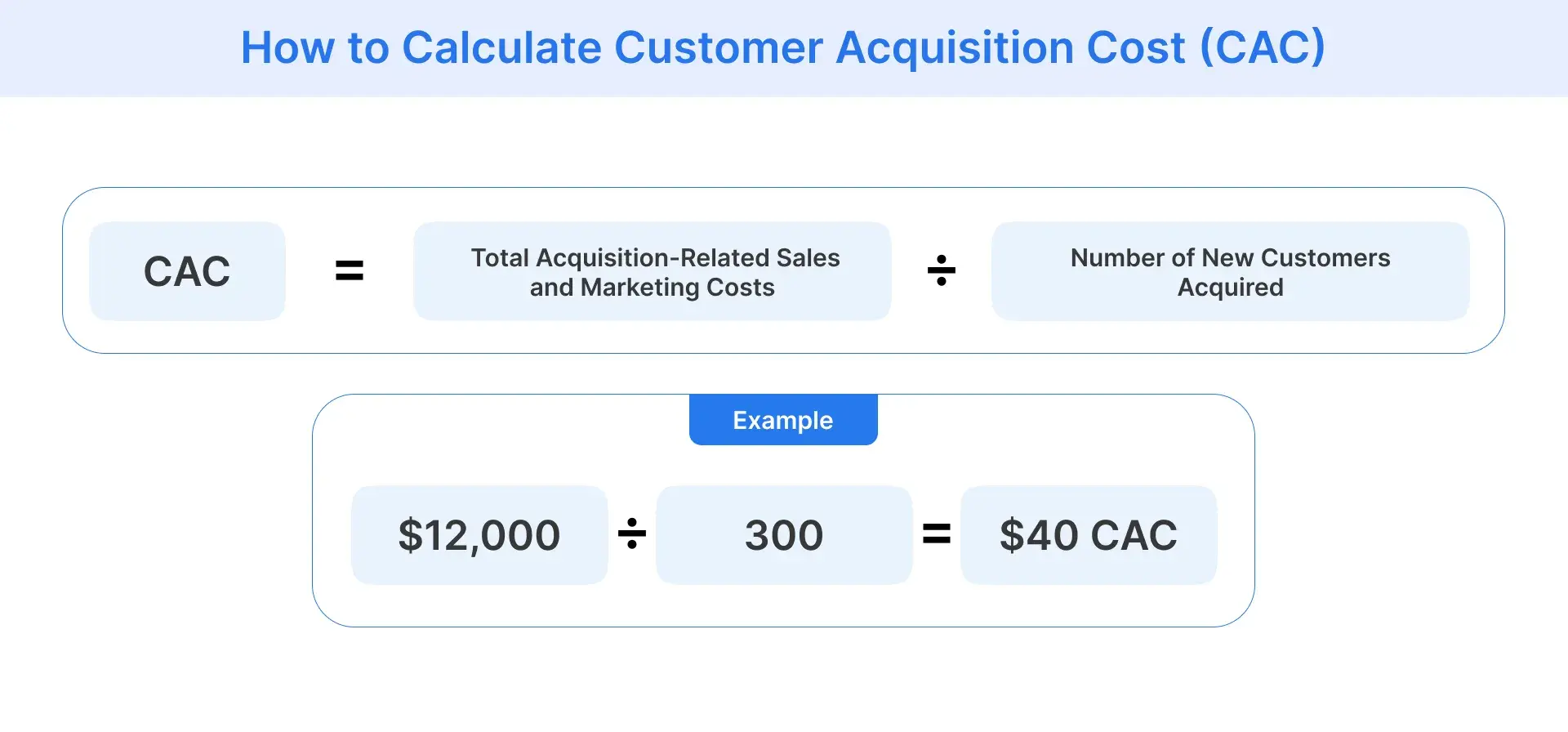
For example, if a retailer spends $12,000 on customer acquisition activities in a month and gains 300 new customers, its average CAC is $40.
Retailers should compare acquisition costs with customer value and profit margins rather than focusing solely on acquiring the highest number of shoppers at the lowest cost.
Build Your Retail Business with FCC
Attracting shoppers is only part of a successful customer acquisition strategy. Retailers also need to help potential buyers discover relevant products, access suitable offers, and complete their first purchase. Flipkart Commerce Cloud (FCC) provides retail technology solutions that support these activities alongside customer acquisition campaigns.
Here’s how FCC’s solutions can help:
- FCC Promotion Management: Create and manage targeted discounts and promotional offers based on customer segments and purchasing behavior. Retailers can use these capabilities to encourage first-time purchases and manage promotional campaigns.
- FCC Omnichannel CRM: Reach prospective customers through email, SMS, WhatsApp, and notifications. The platform supports targeted messaging, marketing automation, and performance reporting to help retailers manage customer communications.
- FCC Ads Manager: Manage display ads, product listing ads, and contextual advertising across retail platforms. These formats help shoppers discover relevant products while supporting retailers’ advertising and monetization efforts.
- FCC Pricing Manager: Monitor competitor prices and configure automated pricing rules to support competitive pricing decisions. Retailers can use these insights to evaluate prices while considering profitability.
Book a demo with an FCC retail expert to explore how these solutions can support your customer acquisition strategy.

FAQ
The three most common customer acquisition strategies are typically categorized as: Paid Acquisition (using advertising like search, social, or display ads to bring in leads), Organic Acquisition (drawing in customers through non-paid efforts like SEO, content marketing, and social media), and Referral/Word-of-Mouth Acquisition (gaining new customers through recommendations from existing, satisfied clients).
Customer acquisition is done by executing a multi-stage process that begins with generating Awareness through broad marketing (e.g., content, SEO, ads), moves to nurturing Interest and Consideration with targeted content, and culminates in optimizing the Decision and Purchase stages with personalized offers and a seamless checkout experience.
The difference is that a customer acquisition strategy focuses on attracting and converting new customers and happens at the front end of the customer lifecycle, often involving high marketing spend, whereas a customer retention strategy focuses on keeping existing customers satisfied and loyal to encourage repeat business, and is generally more cost-effective.
Measuring customer acquisition involves tracking new customers, conversion rates, and customer acquisition cost (CAC). Businesses calculate CAC by dividing acquisition-related sales and marketing expenses by the number of new customers gained. Monitoring conversions across the customer acquisition funnel helps an online business evaluate its ecommerce customer acquisition strategy and optimize marketing spending.
Customer acquisition cost (CAC) measures the average sales and marketing spending required to gain a new paying customer. Cost per acquisition or action (CPA) measures the average advertising cost of a defined conversion, such as a purchase, lead generation form submission, or email list signup. Unlike CAC, CPA does not necessarily represent the full cost of acquiring a new customer.
More Blogs
See how retailers and brands are winning with FCC
Everything About Price Skimming Strategy Explained
Read More
What is a High-Low Pricing Strategy?
Read More
Ultimate Guide To Dynamic Pricing Strategy In 2026
Read More
Retail Pricing Strategies: Winning with Promotion Pricing in Competitive Markets
Read More
Ad Tags: Enhancing Ad Serving Efficiency in Large-Scale Campaigns
Read More