
September 28, 2026
What Is Astroturfing and How Does It Affect Digital Commerce?
Astroturfing is the practice of creating a false impression of genuine public support, opinion, or engagement while concealing the people or organizations behind it.
Drishti, Manager - Digital Marketing

Table of Contents
- What Is Astroturfing?
- What Are Examples of Astroturfing?
- How Does Astroturfing Work?
- What Are Common Astroturfing Tactics?
- What Is the Difference Between Astroturfing and Grassroots Marketing?
- Why Is Astroturfing a Risk for Retailers?
- How Can Retailers Identify Astroturfing?
- Is Astroturfing Illegal?
- Conclusion
What Is Astroturfing and How Does It Affect Digital Commerce?
Online reviews, recommendations, social media posts, and comments can strongly influence how consumers perceive brands and products. Shoppers often rely on these interactions to understand other customers' experiences, compare options, and make more informed purchasing decisions.
But the opinions consumers encounter online do not always reflect genuine customer experiences or public opinion. Fake reviews, coordinated online comments, fake accounts, and other deceptive practices can create a misleading impression of support or criticism and influence how people perceive a brand or product.
For retailers, understanding how this kind of activity works is important for recognizing suspicious patterns, protecting authentic customer engagement, and maintaining trust across digital commerce channels.
What Is Astroturfing?
Astroturfing is the practice of creating the appearance of genuine grassroots support or opposition while concealing the organized, sponsored, or coordinated activity behind it. It can make a product, brand, idea, or business appear more popular or unpopular than it actually is.
The term comes from “AstroTurf,” a brand of artificial grass, and plays on the idea of grassroots movements, which develop through genuine public participation. Astroturfing creates an artificial version of that support or opposition while presenting it as authentic public opinion.
In digital commerce, astroturfing can take the form of fake reviews, coordinated online comments, fake accounts, undisclosed paid endorsements, or other manufactured social media activity designed to appear like genuine customer opinion.
What Are Examples of Astroturfing?
Astroturfing can appear in different forms across digital commerce, particularly when businesses or individuals attempt to influence how shoppers perceive a product or brand. Common examples include:
- Fake positive reviews: Posting fabricated positive reviews to make a product appear more popular, trusted, or highly rated than genuine customer feedback suggests.
- Coordinated negative reviews: Organizing multiple negative reviews to damage a competitor’s reputation or influence how shoppers perceive its products.
- Fake customer accounts: Creating fake accounts or identities that pose as independent customers and publish reviews, comments, or recommendations.
- Undisclosed paid endorsements: Paying or incentivizing people to promote a product while presenting their recommendations as independent customer opinions.
- Coordinated social media activity: Using multiple accounts to repeat similar messages, comments, or recommendations and create the impression of widespread support or criticism.
These examples show that astroturfing can manufacture both positive and negative sentiment. For retailers, this can make it harder to distinguish genuine customer feedback from coordinated activity designed to influence consumer perception.
How Does Astroturfing Work?
Astroturfing works by making coordinated activity appear to come from independent sources. An organization, business, or group may have a particular message or perception it wants to promote while concealing its involvement in creating or distributing that message.
The message can then be spread through multiple accounts, reviews, websites, or individuals that appear unrelated. When similar opinions are repeated across different sources, they can create the impression that many people independently share the same view, making the activity appear more authentic than it is.
This activity is not limited to bot accounts or automated interactions. Real people may also be paid or incentivized to post reviews, comments, or recommendations without clearly disclosing their connection to the organization behind the campaign. This can make manufactured activity more difficult to distinguish from genuine customer engagement.
What Are Common Astroturfing Tactics?
Astroturfing can involve different tactics designed to make coordinated activity appear independent or organic. Common tactics include:
- Fake reviews and testimonials: Fabricated reviews or testimonials can be used to create an artificial impression of customer satisfaction or dissatisfaction.
- Fake accounts and personas: Individuals or organizations may use fake identities or multiple accounts to make comments, reviews, or recommendations appear to come from different people.
- Coordinated social media activity: Multiple accounts may post, share, or repeat similar messages within a coordinated campaign, creating the appearance of broader public support or criticism.
- Undisclosed paid or incentivized endorsements: People may receive payment, free products, or other incentives to promote a product without disclosing their material connection to the business.
- Sponsored content presented as independent opinion: Paid content may be presented as an unbiased recommendation rather than clearly identified as sponsored content.
- Coordinated negative campaigns: Organized groups or accounts may target competitors with negative reviews, comments, or other content intended to influence consumer perception.
While these tactics differ in execution, they rely on the same principle: concealing the coordination, incentive, or business interest behind activity that appears to reflect independent public opinion.
What Is the Difference Between Astroturfing and Grassroots Marketing?
The main difference between astroturfing and grassroots marketing is the authenticity and transparency behind the support. A grassroots effort develops through genuine participation from people who independently support a product, brand, or cause. Astroturfing, on the other hand, creates the appearance of this organic support while concealing the coordination or interests behind it.
Astroturfing vs. Grassroots Marketing |
||
|---|---|---|
|
Factor |
Grassroots Marketing |
Astroturfing |
|
Origin of support |
Develops from genuine customer or community interest. |
Support or opposition is deliberately manufactured or coordinated. |
|
Transparency |
The source of participation is generally clear. |
The organization, sponsor, or business interest behind the activity is concealed. |
|
Participation |
People participate because of genuine interest or experience. |
Participants may be paid, incentivized, or organized to create a particular impression. |
|
Coordination |
Engagement develops organically, even when a brand encourages participation. |
Activity is coordinated to appear independent or organic. |
|
Authenticity |
Reflects genuine opinions, experiences, or support. |
Creates an artificial impression of genuine public opinion. |
For retailers, distinguishing between the two is important because genuine grassroots marketing can build trust through authentic customer participation, while astroturfing can mislead shoppers about the actual level of support surrounding a brand or product.
Why Is Astroturfing a Risk for Retailers?
Astroturfing can affect how shoppers perceive products, brands, and retailers by presenting manufactured opinions as genuine customer experiences. This can create several risks for retailers, even when they are not responsible for the activity themselves.
- Loss of customer trust: When shoppers encounter fake or manipulated reviews, they may become less confident in the customer feedback they rely on when making purchasing decisions.
- Reputational damage: A retailer or brand associated with deceptive practices can face reputational harm, particularly if customers believe reviews or recommendations have been manipulated.
- Distorted customer feedback: Fake reviews can make it harder for retailers to understand genuine customer opinions and identify areas where products or experiences need improvement.
- Misleading social proof: Artificial ratings, reviews, and recommendations can create a false impression of product popularity or customer satisfaction and influence purchasing decisions.
- Competitive harm: Retailers can also become targets of coordinated negative reviews or comments intended to damage the reputation of their products or brands.
- Regulatory and legal exposure: Deceptive reviews, undisclosed incentives, and misleading endorsements can create consumer protection and compliance risks for businesses.
These risks make authentic customer feedback particularly important in digital commerce. Retailers need to understand not only what customers are saying but also whether the interactions influencing consumer perception reflect genuine experiences.
How Can Retailers Identify Astroturfing?
Astroturfing can be difficult to identify from a single review, comment, or account. Retailers should instead look for patterns across customer feedback and online activity, such as sudden bursts of similar reviews, repeated wording, unusual rating patterns, recently created accounts, or coordinated activity across multiple accounts.
Technology can help retailers identify and manage these patterns at scale. Automated moderation and content analysis can be used to flag suspicious review activity for further assessment, while behavioural and account signals can help reveal unusual patterns that may not be obvious when reviews are examined individually. Retailers can also monitor review activity over time to identify unexpected changes or recurring patterns.
A flagged review or unusual pattern does not automatically prove astroturfing. Combining automated detection with human moderation can help retailers investigate suspicious activity while reducing the risk of treating genuine customer feedback as fraudulent.
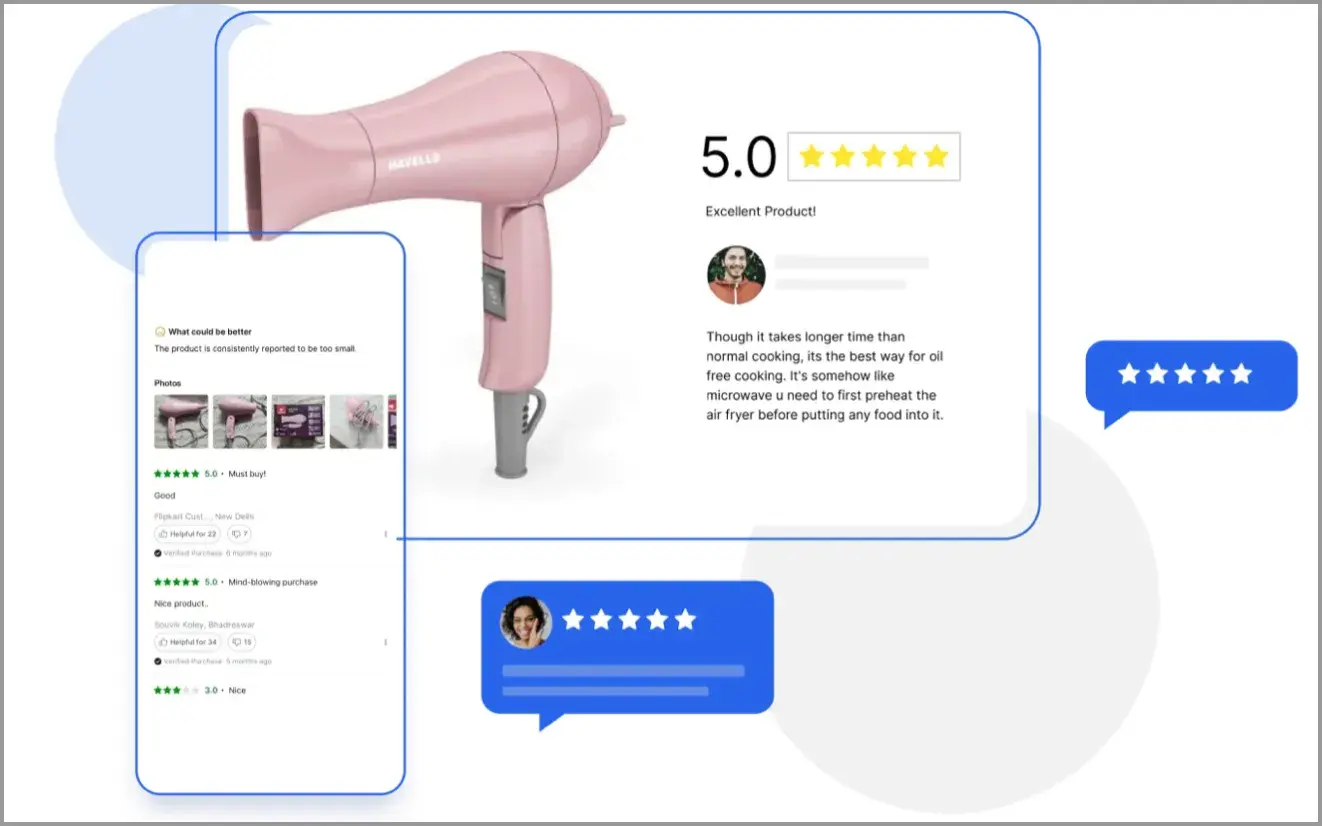
Flipkart Commerce Cloud's Ratings and Reviews solution supports both automated and manual review moderation. Its multi variable moderation workflows help retailers manage review content, while review monitoring and analytics provide visibility into review performance across channels. FCC also provides controls designed to maintain review quality and authenticity and prevent fraudulent submissions.
Conclusion
Astroturfing can undermine the trust that makes reviews, recommendations, and other forms of customer engagement valuable in digital commerce. When manufactured activity is presented as genuine customer opinion, it can distort how shoppers perceive products and brands and make authentic feedback more difficult to identify.
For retailers, protecting this trust requires transparent marketing practices and reliable ways to manage customer feedback. Technology can support this by helping retailers moderate review content, identify suspicious activity, and reduce fraudulent submissions while preserving genuine customer experiences.
Flipkart Commerce Cloud’s Ratings and Reviews solution combines automated and manual moderation to help retailers maintain the quality and authenticity of customer reviews. By strengthening how reviews are managed, retailers can create more trusted digital commerce experiences where shoppers can make decisions based on genuine customer feedback.

FAQ
Astroturfing in simple terms is the practice of masking orchestrated corporate efforts to make them appear as organic, spontaneous public support. Organizations deploy fake accounts, paid reviews, or coordinated bots to artificially inflate brand reputation, manipulate customer sentiment, and mislead consumers across online marketplaces.
Examples of astroturfing include paying workers to flood review sites with fake five-star ratings, creating artificial employee blogs, or deploying automated bot networks. A clear example in e-commerce is generating thousands of fake verified buyer reviews to deceptively boost product rankings and gain an unearned advantage.
You can identify astroturfing by watching for repetitive phrasing, accounts created simultaneously, identical post timing, and overly scripted messaging. Authentic feedback usually displays natural variation, whereas coordinated fake campaigns rely on predictable language patterns and sudden, unnatural spikes in overwhelmingly positive customer feedback.
The difference between grassroots and astroturfing centers on authenticity. The concept of grassroots movements relies on real individuals organically advocating for a brand or cause. Conversely, astroturfing is an artificial strategy funded by corporate entities to deceive the public into believing genuine community consensus exists.
Astroturfing on social media involves using fake profiles, sockpuppets, and automated accounts to manipulate conversations across the commercial internet. Retail platforms like Flipkart Commerce Cloud FCC focus on authentic customer engagement strategies, helping brands avoid deceptive tactics and build legitimate, long-term trust with online shoppers.
In slang, astroturf describes anything artificially manufactured to look authentic, derived from the popular brand of artificial turf made to mimic real grass. In digital marketing, the term refers to fake reviews, staged endorsements, or bought social media followers intended to trick consumers.