
July 29, 2026
What is Social Proof and How B2B & B2C Brands Can Use It in E-commerce
Social proof is a psychological principle where people rely on the experiences and actions of others before making purchasing decisions. For ecommerce brands, it means showcasing customer reviews, ratings, testimonials, and other credibility signals to improve conversions.
Drishti, Manager - Digital Marketing

Table of Contents
- What Is Social Proof?
- Why Is Social Proof Important in E-commerce?
- How B2C Brands Use Social Proof vs. B2B Brands
- What are the Types of Social Proof in Ecommerce?
- How Does Social Proof Influence Buying Decisions?
- What are the Best Practices for Using Social Proof?
- What Social Proof Mistakes Should Ecommerce Sellers Avoid?
- How Can You Measure Social Proof Performance?
- How Does Flipkart Commerce Cloud Help Retailers Use Social Proof Effectively?
What is Social Proof and How B2B & B2C Brands Can Use It in E-commerce
Social proof is a vital psychological concept in ecommerce. Statista reported that 76% of US consumers either always or regularly read social proof like online reviews to evaluate local businesses. Businesses use trust signals to reduce shopper uncertainty and boost sales. People rely on the actions and experiences of others to guide their own purchasing decisions. Trust signals are a great way to show potential customers that other people have bought and benefitted from a product. This makes potential buyers more confident in the brand, and by extension, the product, making it more likely that they'll buy it.
- Online shoppers rely on external validation, making trust signals essential for reducing purchase anxiety and driving e-commerce conversions.
- B2C brands use high-volume reviews for quick, emotional purchases, while B2B brands rely on detailed case studies and data to validate high-stakes business investments.
- E-commerce businesses leverage customer reviews, testimonials, user-generated content, trust badges, and expert endorsements to build credibility across the buyer journey.
- Retailers must display authentic, frequently updated, and strategically placed trust signals while actively avoiding fabricated reviews and hidden feedback.
What Is Social Proof?
Social proof is a psychosocial phenomenon where people rely on the opinions, experiences, and behavior of others to guide their own decisions. It is rooted in the behavioral science of persuasion. Social proof in ecommerce helps online shoppers evaluate products by looking for evidence that previous customers purchased and recommended those specific items. Common e-commerce trust signals include star ratings, written testimonials, celebrity endorsements, and secure checkout badges. Displaying these elements helps retailers minimize perceived risk and drive confident buying behavior.
Why Is Social Proof Important in E-commerce?
Social proof is crucial in ecommerce because online shoppers cannot physically inspect items before buying. This makes external validation essential. Social proof provides that external validation through real-world evidence of product quality and business reliability.
- Positive reviews and testimonials from happy customers reassure hesitant buyers.
- Trust badges and popularity indicators keep shoppers moving confidently through the checkout process.
- Engaging UGC and influencer endorsements create community trust and encourage repeat business.
How B2C Brands Use Social Proof vs. B2B Brands?
B2C brands use social proof to trigger fast, emotional purchases via high-volume reviews and influencer posts. Conversely, B2B brands leverage data-heavy trust signals, like case studies, client list, and industry certifications, to validate high-stakes investments for buying committees.
|
Feature |
B2B Social Proof |
B2C Social Proof |
|
Primary Goal |
Building trust long-term, mitigating risk, and proving measurable ROI. |
Driving immediate purchases, building brand desire, and reducing hesitation. |
|
Common Formats |
Case studies, client logos, whitepapers, B2B review platforms (e.g., G2), and industry accreditations. |
Star ratings, short customer reviews, user-generated content (UGC), and social media influencer posts. |
|
Target Audience |
Buying committees, executives, and procurement teams. |
Individual consumers and everyday online shoppers. |
|
Sales Cycle Focus |
Supports a long, complex, and research-heavy evaluation process. |
Supports short, fast, and frequently impulsive buying journeys. |
|
Key Persuasion Driver |
Logical, data-driven evidence and professional success stories. |
Emotional connection, lifestyle aspirations, and popularity indicators. |
What are the Types of Social Proof in Ecommerce?
The most common types of social proof include customer reviews, testimonials, user-generated content, expert endorsements, trust badges, popularity indicators, and industry awards. Each format serves a specific purpose in building brand credibility and reducing purchase anxiety.
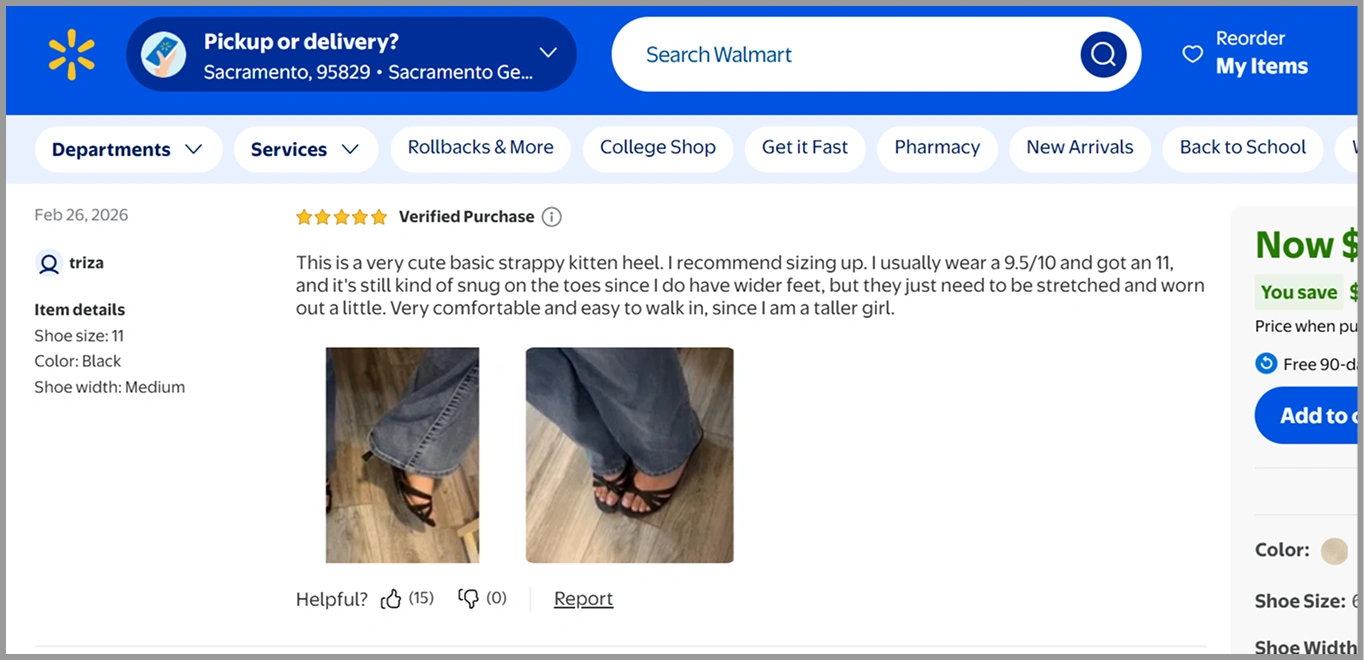
Customer Reviews and Ratings
Customer reviews and ratings build trust through direct customer feedback, helping potential buyers evaluate product quality. Example: User reviews and star ratings on product pages or review sites (e.g., G2, Trustpilot).
A Customer Data Platform (CDP) can help you collect, organize, and unify customer data from multiple sources into a comprehensive customer profile.
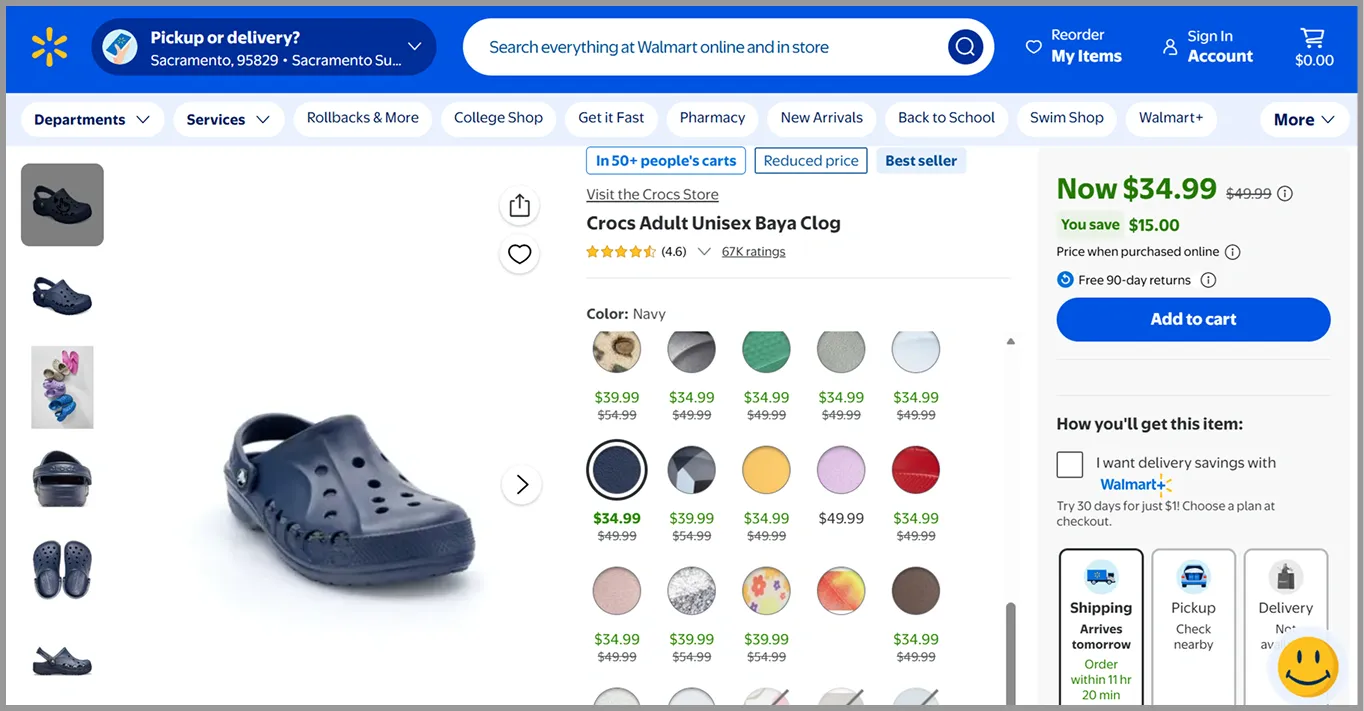
Credits: Walmart
Client List
Client lists are used specifically by B2B businesses. A list of notable companies that have used your product or service provides instant industry authority. Example: A "Trusted by" section featuring client logos on your homepage.
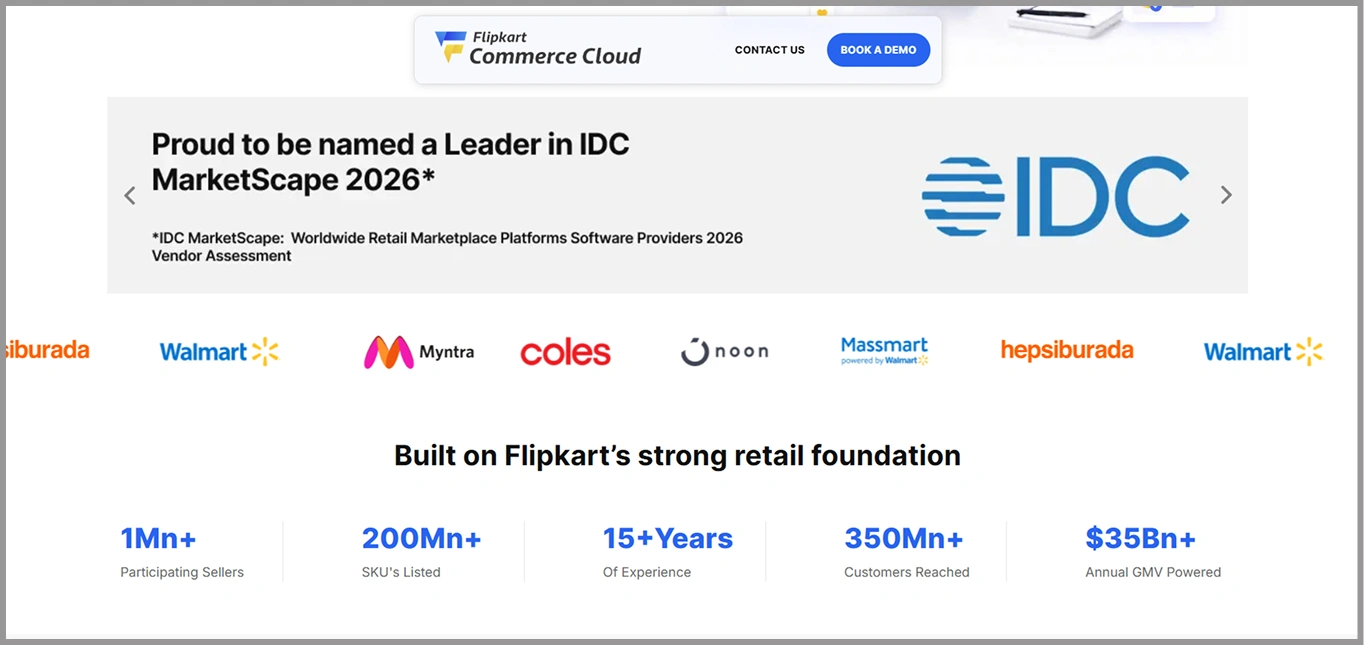
Credits: Flipkart Commerce Cloud
Testimonials
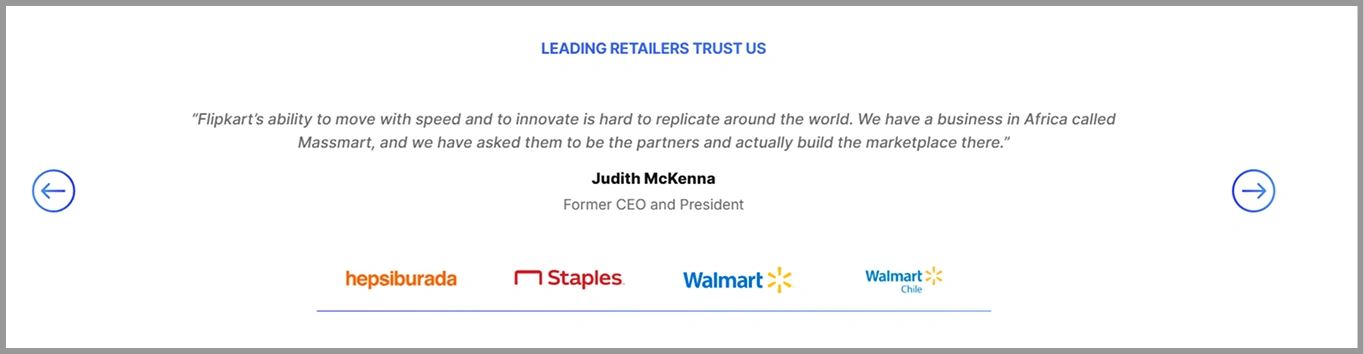
Testimonials showcase detailed customer success stories to provide prospective buyers with measurable outcomes and in-depth use cases. Example: Dedicated website testimonials or video interviews.
User-Generated Content (UGC)
User-generated content (UGC) is a form of social proof that demonstrates authentic product experiences by showcasing products in real-life situations. Example: Customer-created photos and videos shared on social media.
Influencer and Expert Endorsements
Endorsements and social media posts from influencers and experts with a high number of followers increase brand credibility. This is called influencer marketing. Example: Influencer product reviews or expert unboxing videos.

Credits: HarperCollinsPublishers
Trust Badges and Certifications
Trust badges and certifications reinforce security and legitimacy, reassuring customers that transactions are safe. Example: SSL certificates, verified seller icons, and secure payment badges.

Credits: GuideofGreece
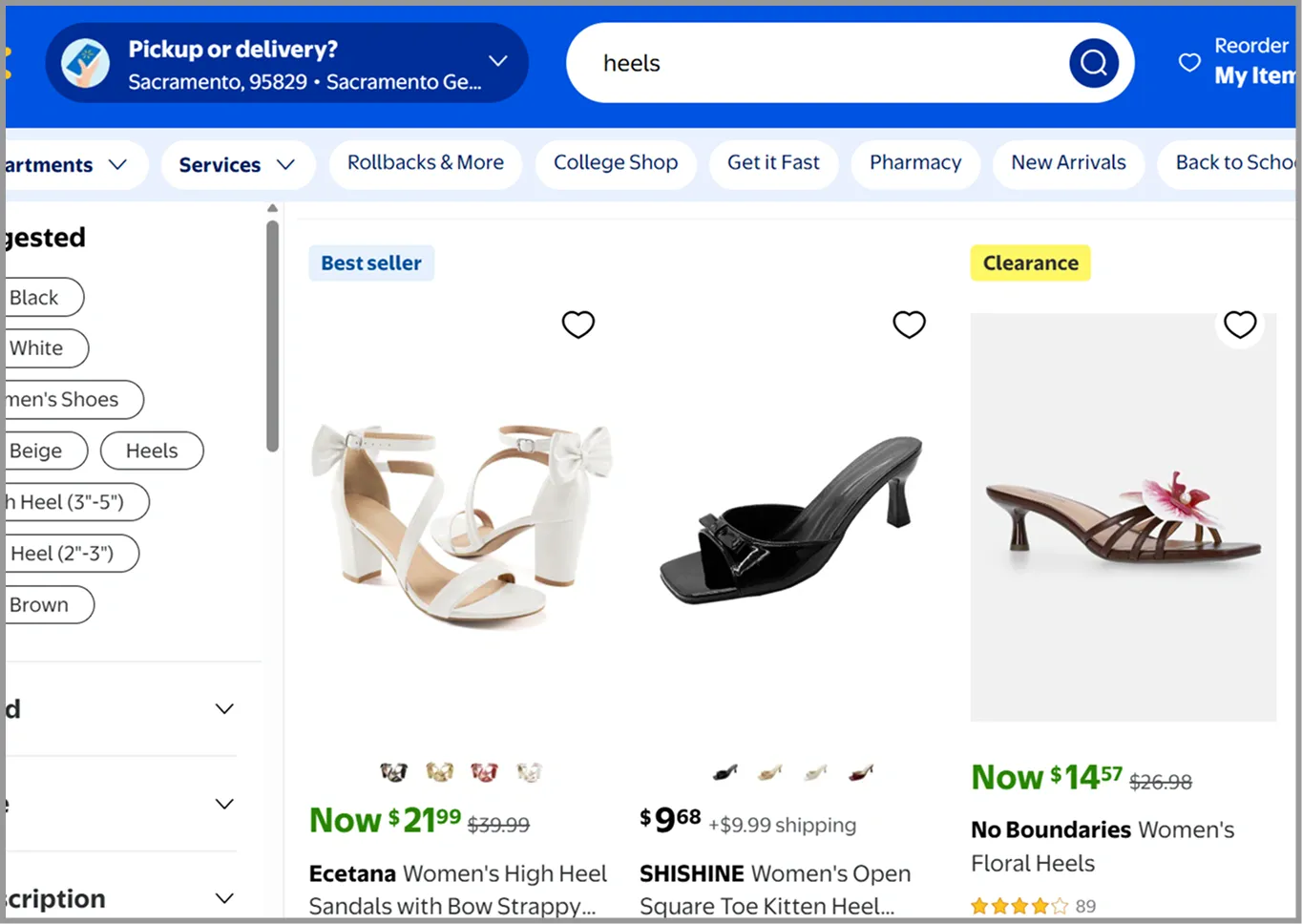
Popularity Indicators
Popularity indicators highlight widespread customer adoption to demonstrate market acceptance. Example: Labels like “Best Seller,” “Trending Now,” or “5,000+ Sold.”
Awards and Industry Recognition
Awards and industry recognition validate business expertise through third-party organizations to reinforce brand authority and excellence. Example: Retail Excellence Awards or G2 Leader badges.

How Does Social Proof Influence Buying Decisions?
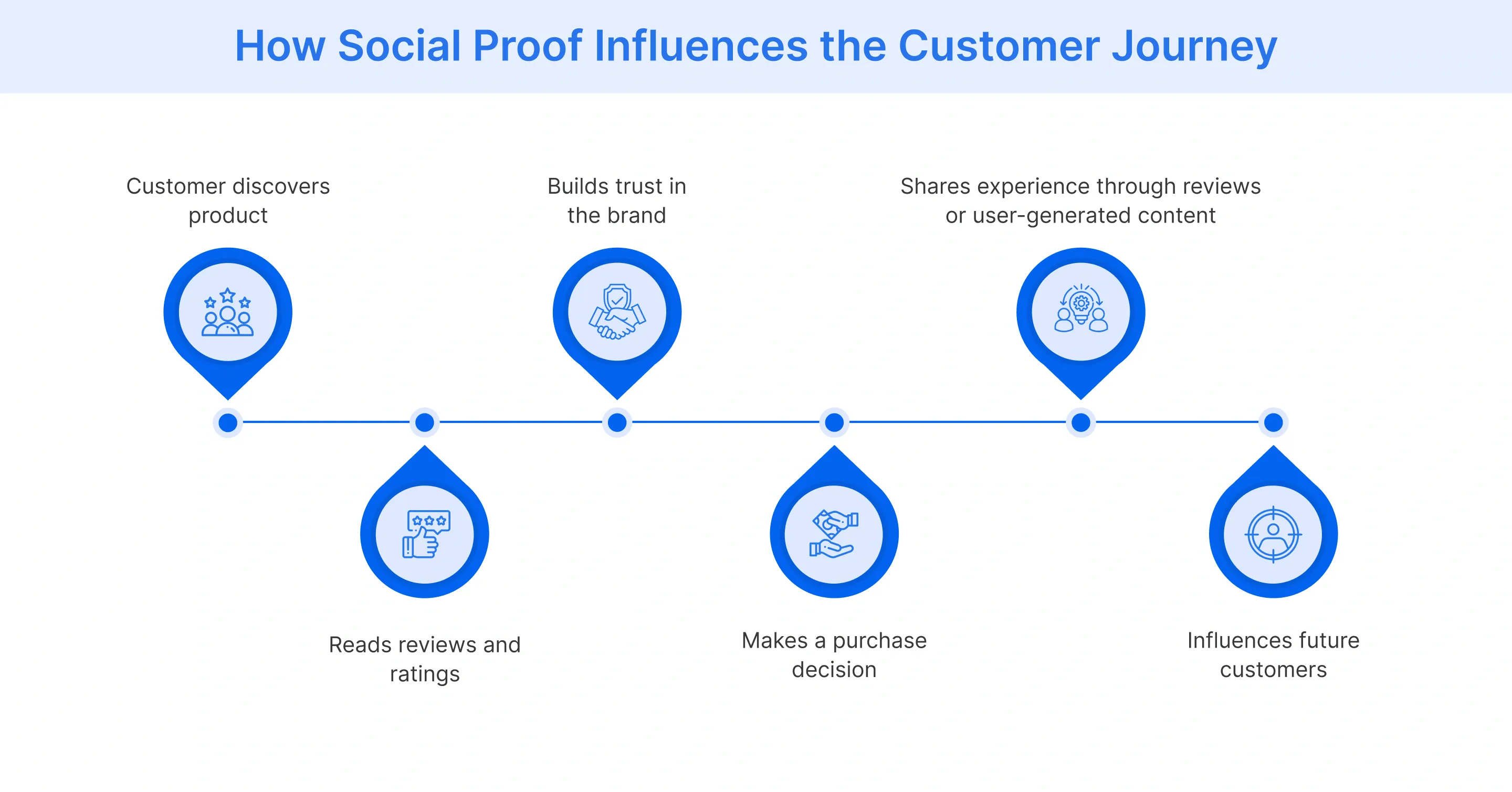
Social proof influences purchasing decisions by reinforcing trust throughout the digital customer journey.
- Ratings and testimonials from real people prove previous buyers had positive experiences, making new shoppers feel secure.
- Authentic feedback minimizes the uncertainty of buying unseen physical goods online.
- Certifications, expert endorsements, and verified seller badges establish baseline business reliability.
- Popularity indicators (e.g., "10,000+ sold") trigger the bandwagon effect, shortening the buyer evaluation phase.
- Highlighting positive buyer experiences turns satisfied customers into brand advocates.
What are the Best Practices for Using Social Proof?
The best practices for using social proof involve publishing authentic feedback, placing trust signals strategically, and continuously updating your content. Social proof generates the highest conversions when the signals are genuine, relevant, and highly visible.
- Display genuine reviews from verified customers. Fake feedback destroys brand credibility.
- Place ratings, testimonials, and trust badges directly on product pages and checkout screens where purchase decisions actually happen.
- Refresh UGC and testimonials frequently. Current feedback proves the brand remains active and reliable.
- Use a mix of star ratings, customer photos, and security badges to create a highly persuasive shopping environment.
- Display product-specific reviews rather than generic site-wide testimonials to address exact shopper concerns directly.
- Track conversion rates and engagement metrics to determine which specific trust signals drive the most revenue.
What Social Proof Mistakes Should Ecommerce Sellers Avoid?
Common social proof mistakes include fabricating reviews, displaying outdated testimonials, and hiding negative feedback. Using the wrong type of social proof or implementing the signals poorly will weaken customer trust and reduce conversion rates. Avoid these common implementation errors:
- Fabricated ratings destroy customer trust and violate advertising guidelines.
- Stale reviews suggest a decline in product quality or business activity.
- Using only text reviews misses the visual impact of UGC or the security assurance of trust badges.
- Hiding all criticism looks suspicious. Professionally addressing negative feedback demonstrates transparency and excellent customer service.
- Burying reviews at the bottom of a homepage removes validation from critical checkout and product pages.
How Can You Measure Social Proof Performance?
Retailers track the performance of social proof by monitoring specific key performance indicators (KPIs) before and after implementing elements like reviews, testimonials, and trust badges. Analyzing these metrics helps businesses determine which trust signals drive the most revenue.
- Changes in Conversion Rate: Tracking the percentage of website visitors who complete a purchase is the most direct way to measure social proof effectiveness. A noticeable increase in conversion rates after adding star ratings or popularity indicators to product pages proves that these specific trust signals are successfully reducing buyer hesitation and gaining new customers.
- Reduced Cart Abandonment Rate: High cart abandonment often stems from a lack of trust during the final transaction steps. E-commerce businesses monitor abandonment rates to see if adding secure payment badges, verified seller icons, and visible return policies to the checkout page successfully prevents shoppers from leaving without buying.
- Time-on-Page: Trust signals like long-form testimonials and video reviews capture shopper attention. An increase in the average time-on-page suggests that potential buyers are actively reading customer feedback and evaluating the social proof, which builds purchase confidence.
- UGC Engagement and Sales Impact: Retailers track how frequently shoppers interact with user-generated content (UGC), such as clicking on customer-uploaded photos or watching unboxing videos. By using attribution software, e-commerce brands can measure the exact percentage of sales generated directly from buyers who interacted with UGC elements compared to shoppers who ignored the content.

How Does Flipkart Commerce Cloud Help Retailers Use Social Proof Effectively?
Ineffective ratings and reviews (RnR) can cause significant conversion loss. Flipkart Commerce Cloud (FCC) offers a powerful, automated Ratings and Reviews engine that helps e-commerce businesses build and harness social proof while maintaining complete moderation control.
- Streamlined Review Solicitation: Low review volumes hurt credibility. FCC automatically collects authentic, rich media reviews through personalized CRM communications, intuitive submission flows, and custom RnR widgets.
- Automated Review Serving: Manual review filtering creates bottlenecks, while unmoderated reviews risk brand reputation. FCC auto-moderates content via multi-variable workflows, seamlessly integrating trustworthy reviews, purchase badges, and algorithmically computed seller ratings across product discovery channels.
- Performance Tracking: Unmonitored reviews lead to lost sales opportunities. FCC allows retailers to track multi-channel RnR health metrics, monitor moderation speed, and gain deep conversion and adoption insights based on customer behavior.
Ready to maximize every review-driven sales opportunity? Book a demo to learn how FCC can help your business drive purchase decisions with authentic social proof.

FAQ
Psychologist Robert Cialdini coined the term “social proof” in his 1984 book, Influence: The Psychology of Persuasion. Cialdini defined social proof as a behavioral phenomenon where individuals look to the "wisdom of the crowd" to guide decisions in uncertain situations.
Social proof lowers the perceived risk of online shopping. Seeing positive recommendations from previous buyers validates purchasing decisions, establishes brand credibility, and directly increases e-commerce conversion rates.
Trust signals like high star ratings, expert endorsements, and UGC reduce shopper skepticism. Providing immediate reassurance during the evaluation phase encourages faster purchasing decisions and successfully turns hesitant leads into paying customers.
Incorporate authentic customer testimonials, case studies, UGC, and influencer posts across all digital marketing channels. Highlight bestseller badges, subscriber counts, and real-time purchase notifications on websites and landing pages to demonstrate market popularity and drive conversions.