
July 25, 2026
Co-branding Strategy And How To Use It In Ecommerce
Co-branding is a partnership where two or more brands come together to create one product, blending their names, design, and audience to reach further than either could alone.
Drishti, Manager - Digital Marketing

Table of Contents
- What is Co-branding in Ecommerce
- Co-branding Strategies and their Real-Examples in Ecommerce
- How Does Co-branding Work Behind the Scenes?
- The Types of Co-branding Explained
- Benefits of a Co-branding Strategy
- Operational Risks of Co-branding
- The Difference Between Co-branding vs. Co-marketing
- Managing Brand Partnerships With Retail Tech
Co-branding Strategy And How to Use It In Ecommerce
Two established brands can reach a bigger audience together than either could reach alone, and that's the logic behind a co-branding strategy. When two companies combine their names, designs, and audiences into a single product, both sides walk away with something neither could have built solo: new customers, shared costs, and a new product.
In this guide, we'll explain what co-branding is, how it works, and the strategies brands actually use to launch one in ecommerce.
- Co-branding is a partnership where two or more brands combine their names, designs, and audiences to create one new product.
- Co-branding in ecommerce works best when both brands' audiences overlap without directly competing.
- Co-branding strategies include exclusive digital drops, cross-store bundling, and audience-crossover campaigns.
What is Co-branding in Ecommerce?
Co-branding is when two or more separate businesses team up to create a single product or service that carries both businesses’ names, logos, and design touches.
Instead of competing for the same shopper, both brands show up together on one item, and each brand lends the other its reputation, its style, and its existing fan base. The result is usually something neither brand could easily pull off solo, and that novelty is exactly what makes co-branded products so appealing to shoppers
Implementing co-branding in ecommerce involves two digital brands identifying audiences that already overlap, then building one exclusive product and listing it on both of their storefronts at the same time.
This lets each brand tap into the other's customers, split the cost of production and marketing, and generate a wave of organic buzz because the launch feels new and limited rather than routine.
For a retailer running multiple storefronts or marketplaces, a co-branding strategy only works if the backend can keep listings, pricing, and stock levels perfectly in sync across every channel the product touches, which is where a strong catalog management setup is important.

Co-branding Strategies and Their Real-World Examples in Ecommerce
Co-branding strategies in ecommerce include exclusive digital drops, cross-store product bundling, digital content and experience merging, integrated user experience, and extreme audience crossover strategy.
1. Exclusive Digital Drops
Exclusive digital drops are the most common co-branding strategy where two digital partners release a co-created product for a short, defined window, sometimes just a few days, and never restock it once it sells out.
This built-in scarcity pushes shoppers to buy on the spot instead of putting the item in their cart and forgetting about it, and it gives both brands a burst of urgency-driven demand they wouldn't get from a standard product launch.
Example: Nike x Off-White

Source: sothebys
Nike and Off-White's "The Ten" sneaker collection is a strong illustration of digital drops co-branding strategy in action. The sneaker collection was released in a defined window and was never restocked once it sold out, and that built-in scarcity turned the drop into one of the most talked-about sneaker collaborations of its time, driving resale demand well beyond the original retail price.
2. Cross-Store Product Bundling
Cross-store product bundling is a co-branding strategy where two independent online brands combine complementary items into a single, higher-value package, like a skincare brand and a wellness app bundling a serum with a freemium subscription.
The customer gets more perceived value in one checkout, and both partnering brands benefit from a bigger average order size than either would generate selling the item alone.
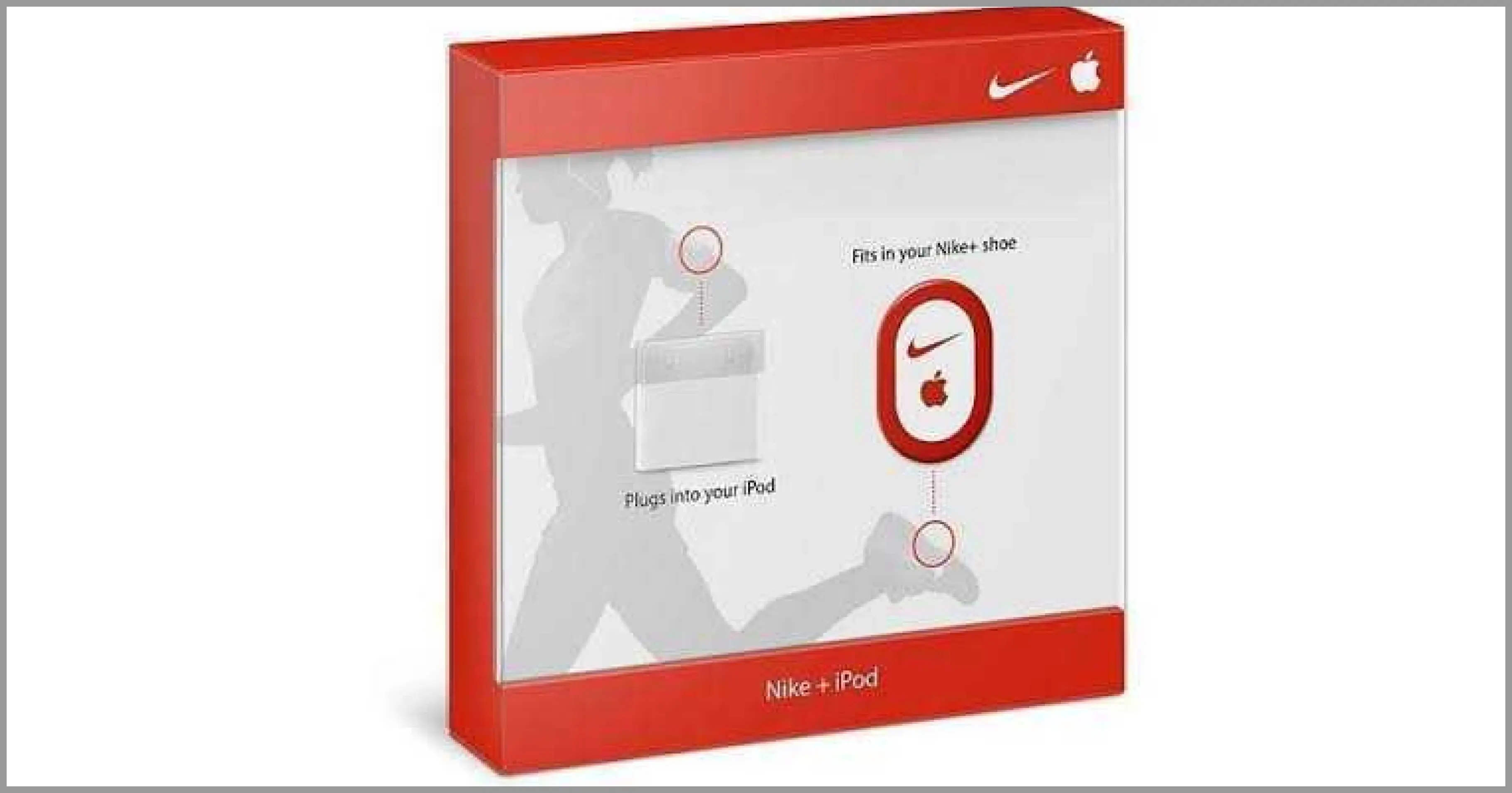
Example: Nike & Apple
Source: B&H
Nike and Apple demonstrated the cross-store product bundling strategy through Nike+, weaving fitness tracking technology directly into shoes and watches. The cross-store product bundling strategy worked because the two products were complementary, blending athletic gear with smart tech in a way that felt useful to the customer.
3. Digital Content and Experience Merging
Digital content and experience merging strategy pairs a physical product with a digital layer, such as an app feature, exclusive content, or a subscription perk tied to a partner brand. This turns what would have been a one-time purchase into a purchase that keeps delivering value over time.
This co-branding strategy works best when one brand brings strong physical products, and the other brings the software or digital expertise to make the experience feel premium, rather than just an add-on.
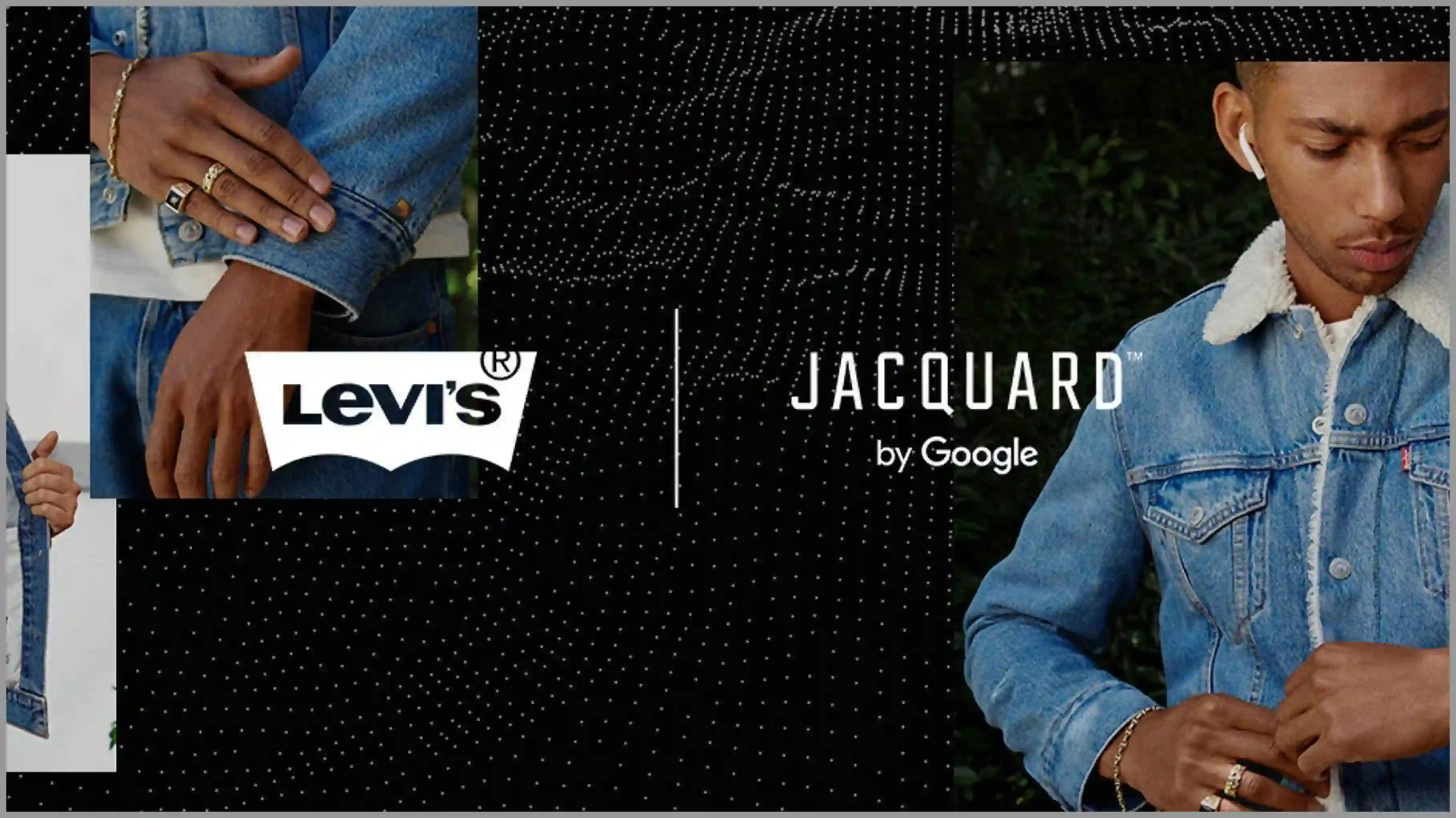
Example: Levi's & Google (Jacquard by Google)
Source: Levi's .com
Levi's and Google's Commuter Trucker Jacket collaboration is an example of a content and experience merging strategy in co-branding: Google's Jacquard touch-sensitive tech was directly embedded into Levi’s denim so wearers could control their phone with a tap or swipe on their sleeve. This co-branding strategy worked because the physical garment stayed genuinely wearable on its own, while the digital layer gave it an ongoing feature a plain jacket could never offer.
4. Integrated User-Experience Strategy
The integrated user experience co-branding strategy merges digital features from two brands into one smooth, unified service rather than a physical product.
Example: Uber & Spotify

Source: Dancemusicnw
Uber and Spotify's "soundtrack for your ride" feature captures the user-experience strategy well. Letting Uber riders control the car's music from their Spotify playlists during the trip added genuine, everyday value to both services without requiring either brand to build something entirely new from the ground up.
5. Extreme Audience-Crossover Strategy
Audience crossover strategy in co-branding joins two brands from completely different industries, specifically to spark creative buzz and reach buyer segments that would otherwise be very hard to access.
Example: CoverGirl & Lucasfilm

Source: Ourwindsor
CoverGirl and Lucasfilm's Star Wars-themed makeup collection is a good example of the extreme audience crossover strategy. The collection introduced a franchise associated with a predominantly male audience directly to CoverGirl’s female consumers, generating attention precisely because the pairing felt so unexpected on paper.
How Does Co-branding Work?
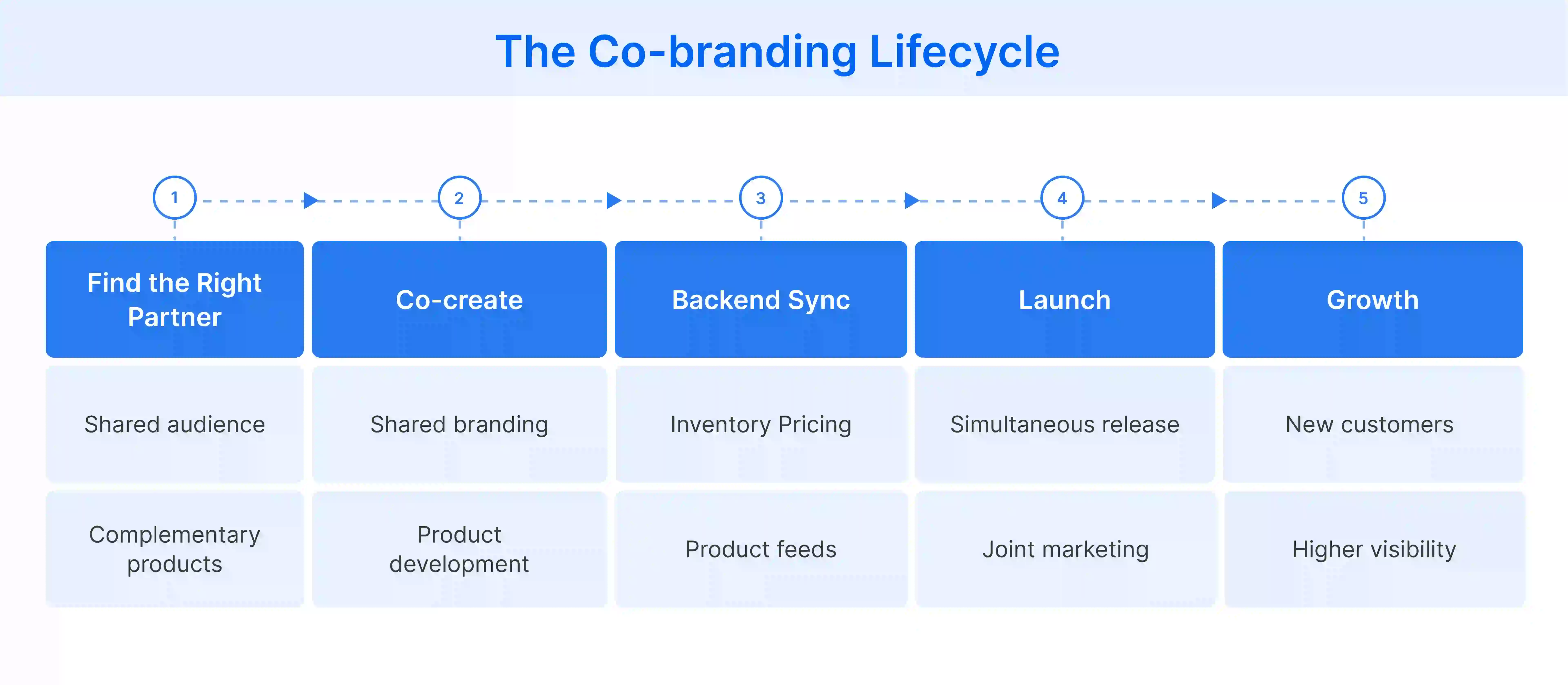
Almost every co-branding deal moves through the same basic process:
- Match: Two brands with similar target audiences, but products that don't directly compete, agree to explore working together. The match stage in co-branding is about finding genuine audience overlap.
- Create: If their audiences match, then the two product teams sit down and build something that authentically reflects both brands. This creation stage is where design elements, materials, or features from each partnering brand get woven into a single new item.
- Backend Sync: Both partners connect their data systems so that catalog information, marketing assets, and inventory numbers stay coordinated across both storefronts. Without this step, customers on one site might see a different price or stock status than customers on the other, which damages trust in both brands.
- Launch: The finished product goes live on both partners’ digital storefronts the same day. Both brands launching simultaneously matters because it doubles the organic traffic and media attention hitting the product at once, rather than spreading the hype thin across two separate release dates.
What Are The Types of Co-branding?
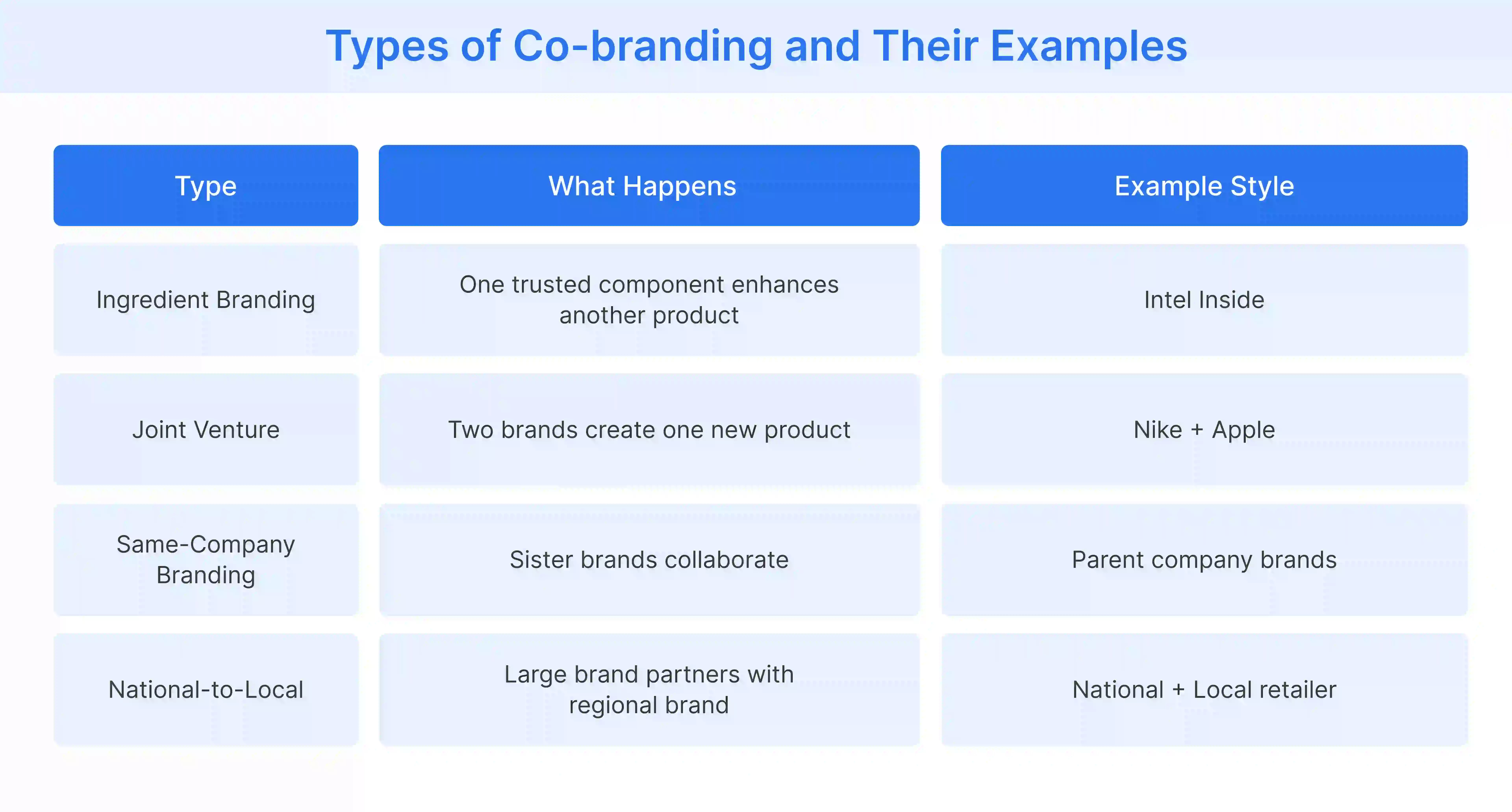
The different types of co-branding include ingredient branding, joint venture (composite) branding, same-company branding, and national-to-local branding. Not every co-branding partnership is structured the same, and the differences come down to what each brand is actually contributing to the deal.
Ingredient Branding
Ingredient branding happens when one brand's product becomes a visible component inside another brand's product. A classic example is an online laptop retailer advertising that its machines run on Intel Inside processors. The ingredient brand gets visibility on someone else's finished product, while the host brand gets to borrow credibility from a name shoppers already trust and recognize.
Joint Venture (Composite) Branding
Joint venture, also called composite branding, is a type of co-branding where two well-established brands, often unrelated companies, combine forces to build a new product that neither could easily create alone. Both partners’ names appear with equal weight on the finished product. This signals a true 50-50 partnership rather than one brand simply endorsing the other.
Same-Company Branding
Same-company branding is a type of co-branding partnership where a larger retail conglomerate promotes two or more of its own internal subsidiary brands under a single combined product to drive cross-sales between sister brands. Since both "brands" ultimately answer to the same parent company, the reputational risk is much smaller. However, it is still an effective way to boost visibility for a lesser-known subsidiary.
National-to-Local Branding
National-to-local branding happens when a large, nationally recognized brand collaborates with a smaller, community-based brand. The goal is to borrow community trust and reach shoppers who favor familiar, local names. The national brand gets local credibility, and the smaller brand gets exposure to a much bigger audience.
What are the Benefits of Co-branding?
Co-branding affords both brands instant access to new customer bases, while also sharing financial costs and lowering risks for each brand. The end product or service boosts perceived value to the end customer, which allows for higher pricing.
- Instant Access to New Customer Bases: Co-branding puts your product in front of your partner's already-loyal audience. Because that audience already associates the partner brand with quality, you inherit a level of trust that would normally take months, if not years, of consistent ad spend to build from scratch.
- Shared Financial Costs and Lower Risk: Co-branding allows both companies to split production, shipping, and advertising costs. That shared investment often makes an ambitious idea financially viable in the first place. It might not have been feasible for either brand to pursue alone.
- Higher Perceived Value and Pricing Power: Combining two trusted logos on a single product tends to feel more exclusive than either brand's standalone items. That perception gives online retailers real room to charge a higher price point than they normally could, without shoppers pushing back.
Also read: Google Merchant Centre
Operational Risks of Co-branding
When co-branding, businesses risk having incongruent brand reputations, mismatched data and catalogs, and confusion for customers if the co-branding feels incompatible.
- Incompatible Brand Reputations: Suppose your partner brand runs into a public relations crisis at any point during the partnership. Your own brand's credibility can get pulled down by association, even when you had nothing to do with what happened.
- Backend Data and Catalog Mismatches: If the joint product's description, price, or stock count doesn't match up across both partners’ storefronts, it creates a confusing experience for customers when they are trying to purchase.
- Customer Confusion and Brand Dilution: If partners' collaboration feels forced, or the product's design doesn't genuinely reflect both brands, it can blur what each brand stands for rather than strengthening it. Dilution in co-branding is a slower risk that can quietly erode customer loyalty to both brands over repeated poorly executed partnerships.

The Difference Between Co-branding vs. Co-marketing
The difference between co-branding and co-marketing is that co-marketing is just two brands teaming up to promote their own separate, existing products together; e.g., a fitness app and a meal prep company doing a joint giveaway. Co-branding, on the other hand, is when those two brands actually work together behind the scenes to co-create a new, unique product that blends their names, designs, and identities into one; e.g., Nike and Apple creating a tech-enabled running shoe.
|
Strategy |
Co-marketing |
Co-branding |
|
Final Product Output |
No new item is made; brands just promote existing individual goods |
A brand-new, unique product or service is co-developed |
|
Brand Identities |
Kept strictly separate throughout the marketing push |
Merged into a shared identity on the item packaging |
|
Operational Stakes |
Low risk; involves sharing basic media assets or social posts |
Higher risk and reward; requires deep product integration |
|
Best Used For |
Quick lead generation, shared webinars, or coupon giveaways |
Launching exclusive, high-value premium item collections |
Also read: What is Promotional Management?
Managing Brand Partnerships With Retail Tech
Co-branding campaigns require an agile digital infrastructure that can easily connect different backend networks. Traditional monolithic platforms make this difficult because their rigid structure means altering one function to sync with a partner's, which can cause your entire storefront to crash. Transitioning to composable commerce solves this by breaking your platform down into independent pieces, like inventory, search, and checkout, allowing you to easily integrate partner catalogs without affecting the rest of your system.
Flipkart Commerce Cloud (FCC) provides the exact composable framework needed to eliminate friction from brand partnerships. By decoupling your retail architecture, FCC’s Pricing Manager automatically synchronizes real-time product feeds and prevents pricing mismatches across multiple storefronts simultaneously.
Book a demo today to discover how FCC can make your next brand partnership seamless and scalable from day one.

FAQ
The co-branding process involves matching aligned partners, developing a collaborative product, connecting backend distribution channels, and launching new products simultaneously. For a digital small business, this method expands market share efficiently. Platforms like Flipkart Commerce Cloud keep catalogs synchronized to prevent mismatched pricing from disrupting execution.
Co-branding is a strategy where two brands combine their identities to create one new product together and elevate brand recognition. A well-known co-branding example is Nike and Apple's Nike+, which built fitness tracking directly into shoes and watches. CoverGirl and Lucasfilm's Star Wars makeup line is another example, blending beauty and sci-fi fan culture successfully.
The stages of a co-branding partnership include establishing clear goals, aligning product development, configuring data feeds, and deploying synchronized marketing campaigns. Ensuring clear communication at every milestone keeps the brand positioning unified, while Flipkart Commerce Cloud handles real-time data sync to prevent stock discrepancies.
The purpose of co-branding is to expand brand awareness by introducing new product options to a wider audience. By finding the right partner, businesses create a strategic alliance that pools financial resources, minimizes individual risk, and accelerates growth into new markets without relying entirely on traditional advertising.
The risks of co-branding involve mismatched brand positioning, negative customer feedback, and operational inventory feed errors. If a collaborator suffers a public relations crisis, your own brand’s credibility faces severe damage. Deploying Flipkart Commerce Cloud effectively eliminates backend data mismatches, protecting your shared customer experience.